Planning Winter Maintenance? When Air Sampling May Be Needed for Temporary Tasks
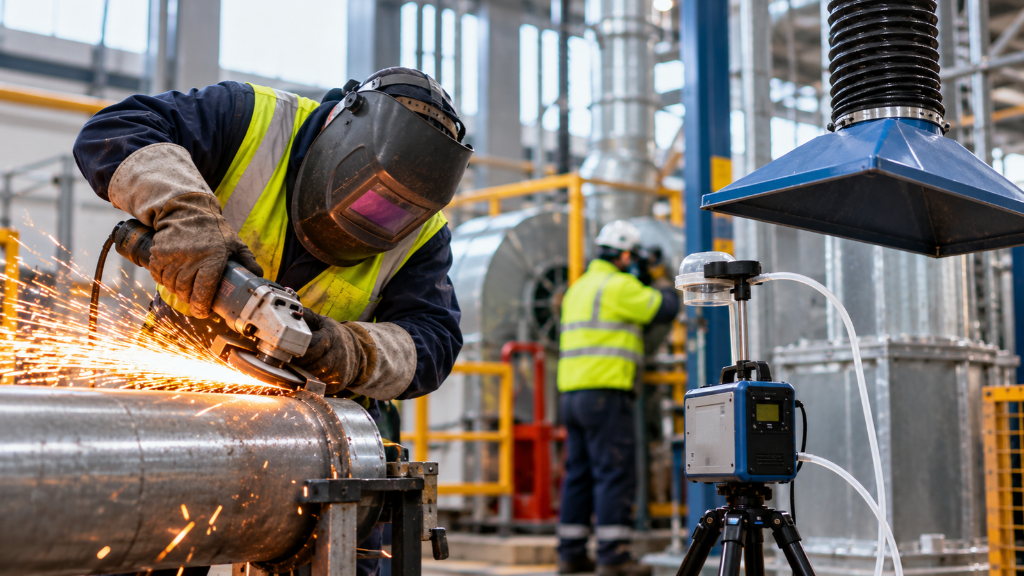
A winter shutdown can bring welding, cutting and intensive cleaning into parts of a site where those activities seldom take

How Often Should a DSEAR Assessment Be Reviewed?
An assessment completed several years ago may have been suitable at the time, but conditions on site can change. New
When Should a Fire Risk Assessment Be Reviewed?
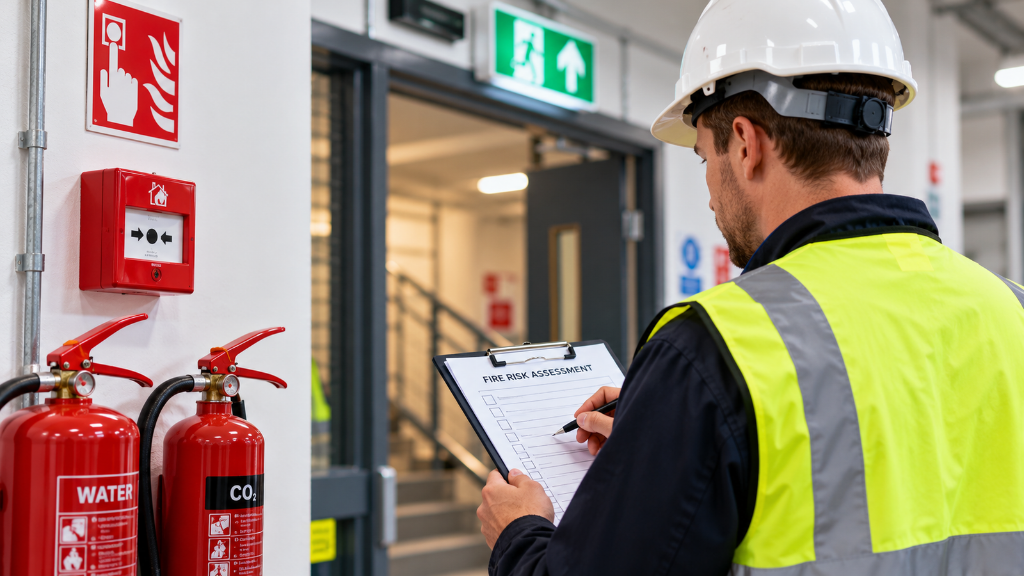
A fire risk assessment should be reviewed regularly and whenever changes to the premises, the people using them or the
Turning This Year’s Monitoring Results into Your Occupational Hygiene Plan
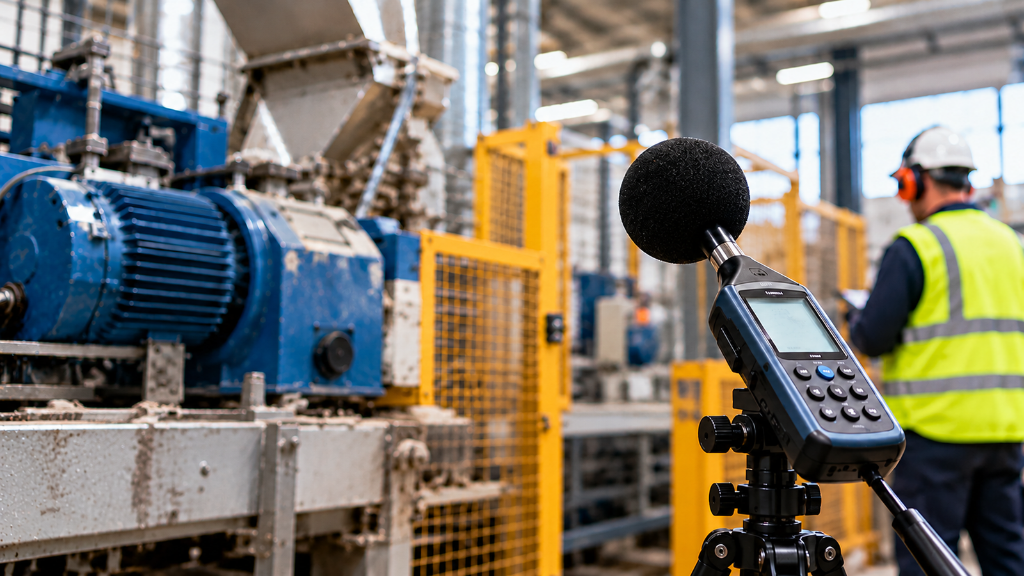
This year’s monitoring reports describe employees’ exposure to dust, fumes, noise and vibration under the conditions assessed. The next decision

Autumn Maintenance Plans: Where a DSEAR Risk Assessment Should Fit
Autumn maintenance can change fire and explosion risks at sites that handle dangerous substances. Opening equipment, carrying out hot work
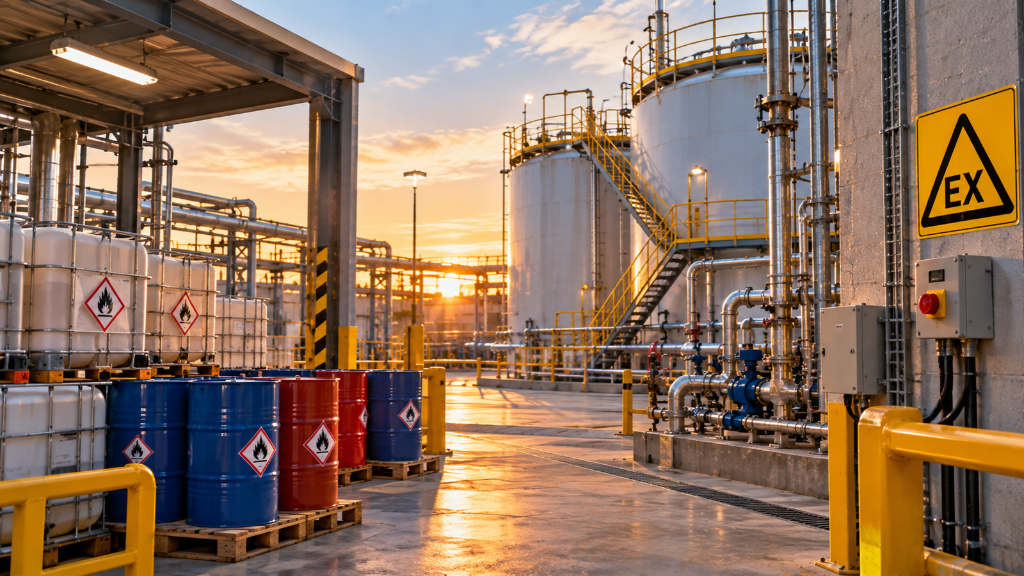
Which DSEAR Regulations Priorities Should You Review Before Year End?
Before finalising 2027 plans, check that your DSEAR risk assessment reflects the dangerous substances on site and how people work

Planning Site Changes? Where a DSEAR Assessment Fits into the Process
Installing new production equipment, relocating chemical storage or changing a factory layout can affect fire and explosion risks. During planning,
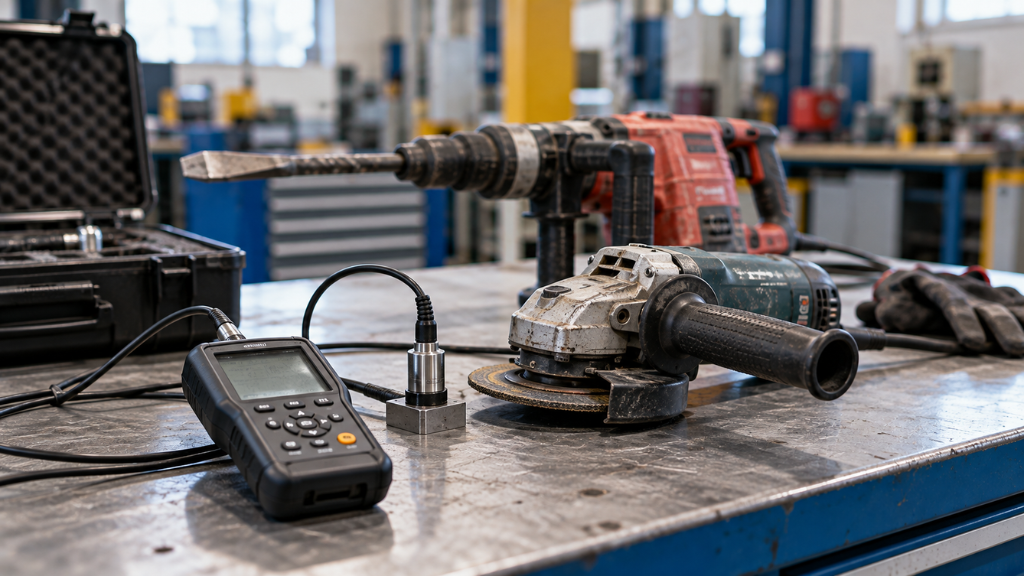
Hand Arm Vibration Testing After a Busy Maintenance Period: Have Exposure Levels Changed?
A busy maintenance period can change hand-arm vibration exposure even when teams return to familiar jobs. Maintenance teams may repair
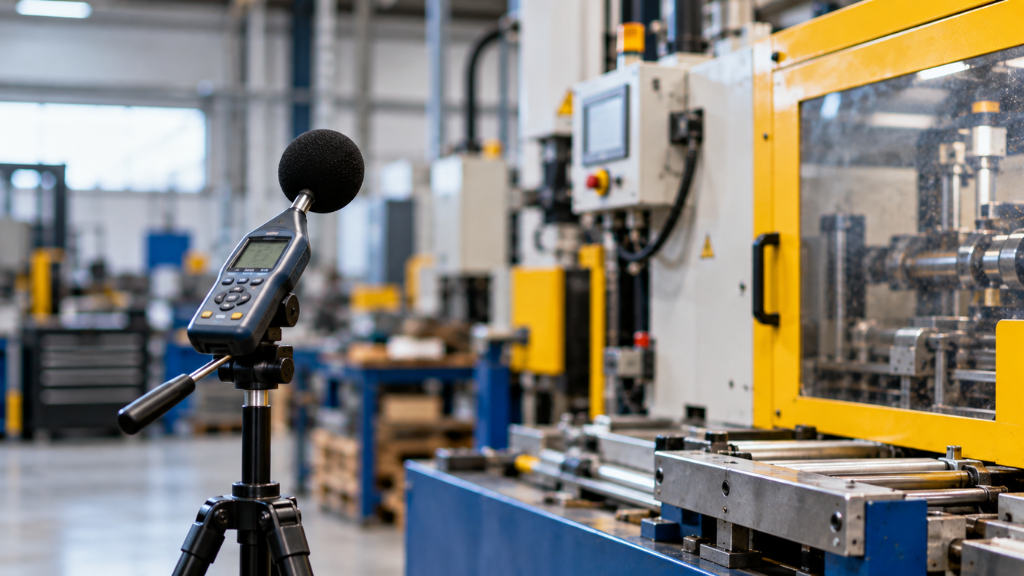
Is Hearing Protection Enough? What a Noise Assessment Can Reveal About Your Controls
Hearing protection can reduce the noise that reaches an employee’s ear, but employers should not rely on it as the
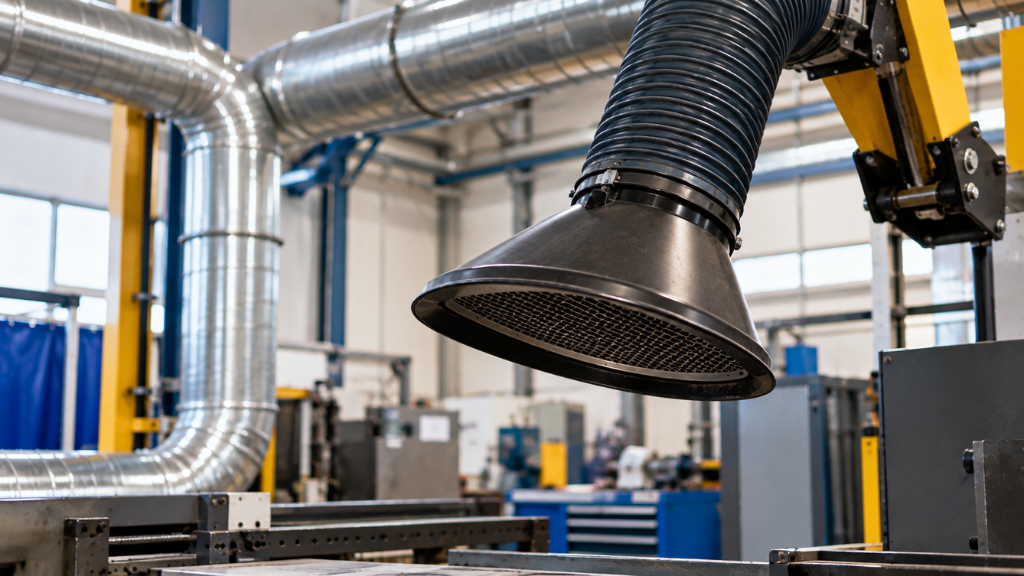
How Often Should Local Extract Ventilation Be Tested?
Local extract ventilation, more commonly referred to as Local Exhaust Ventilation (LEV), captures airborne contaminants close to the point where

What should a Legionella risk assessment include? A practical guide for facilities managers
Facilities managers need a clear view of how water systems operate, where conditions may support Legionella growth and how well
Common Failures in DSEAR Risk Assessments and How to Avoid Them
Businesses that store, use or produce flammable liquids, gases, vapours or combustible dusts need a clear understanding of fire and
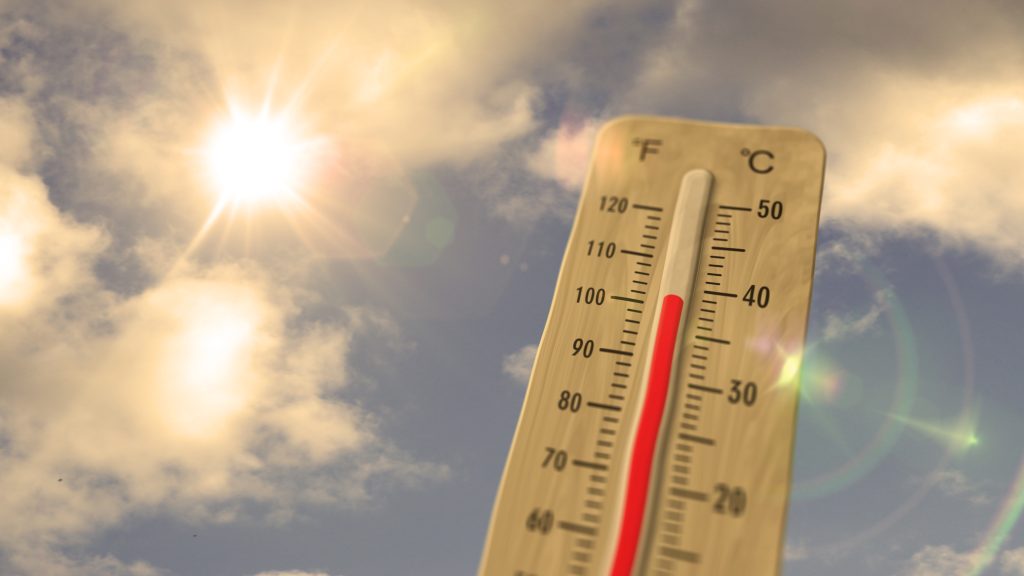
Air Sampling in Hot Weather: How Rising Temperatures Change Workplace Exposure Levels
Hot weather can change workplace exposure conditions quickly. Higher temperatures, humidity and air movement can affect how dust, fumes, vapours

What Happens If You Don’t Carry Out Legionella Testing?
Legionella bacteria can grow in man-made water systems when temperature, stagnation and system condition allow growth. If people inhale contaminated

Noise Assessment for Construction Sites: A Practical Approach to Managing Complaints and Disruption This Summer
Summer construction programmes often place more pressure on site teams. Longer daylight and tighter sequencing can increase external work near

DSEAR Training: What Employers Must Get Right Before Summer Maintenance Season
Summer maintenance season can compress high-risk work into a short period. Equipment is isolated, production lines are opened, contractors move
How Rising Spring Temperatures Increase Legionella Control Risks in Commercial Buildings
Spring can expose weak points in a building’s water system. As outside temperatures rise, cold water can warm up more
COSHH Compliance in the Workplace: What UK Employers Must Get Right to Stay Protected
Hazardous substances at work do not only come from products stored in drums, bottles or containers. HSE’s guidance says harmful

Why Occupational Hygiene Should Be a Priority in 2026
Workplace health risks often develop gradually. Dust, fumes, vapours, noise, vibration, heat and poor air quality can affect people long
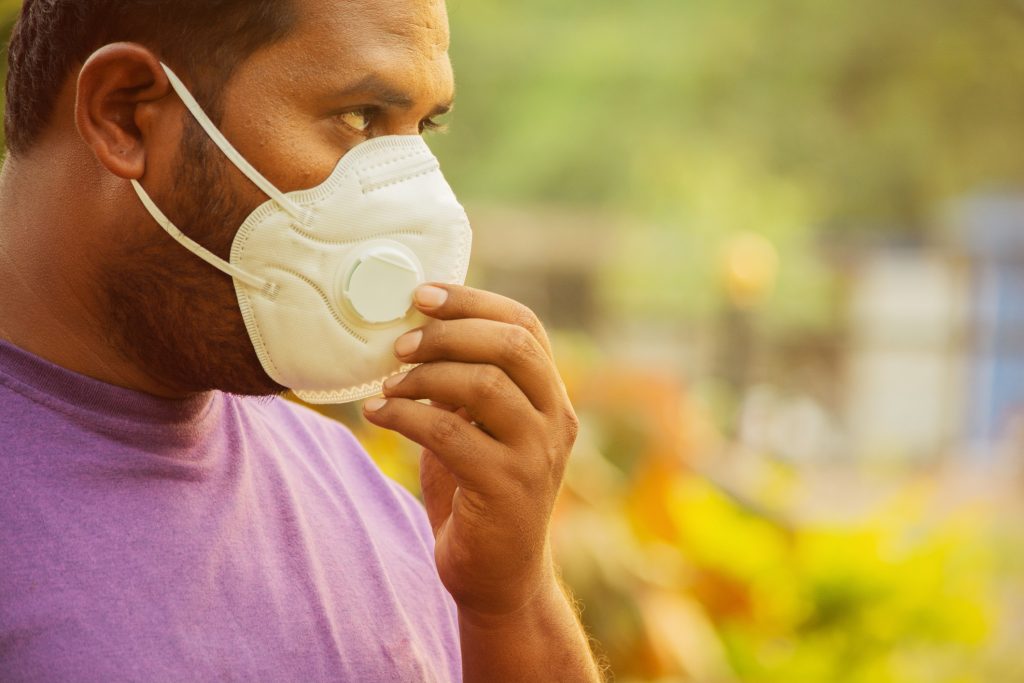
Clear Air, Clear Benefits: Air Quality Monitoring as Part of Your Occupational Hygiene Strategy
Poor workplace air can affect health, comfort, concentration and compliance before a serious issue appears. Dust, fumes, vapours, poor ventilation
DSEAR Training: What Employers Must Get Right Before Summer Maintenance Season
Summer maintenance season can compress high-risk work into a short period. Equipment is isolated, production lines are opened, contractors move
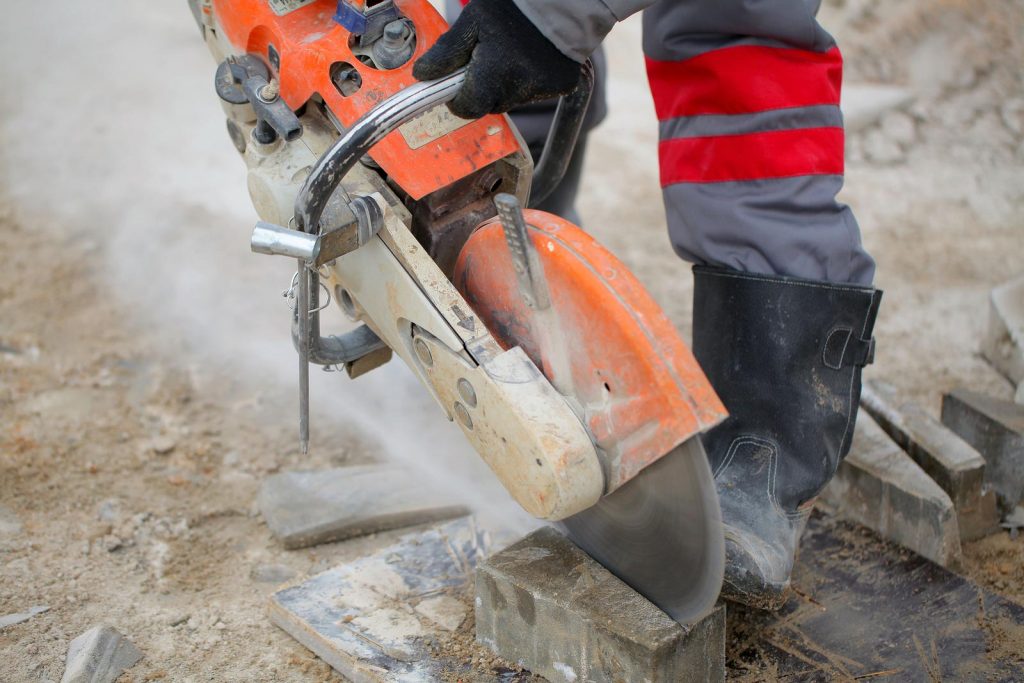
DSEAR Meaning for Construction Sites: Temporary Risks in Spring Projects
Spring often brings a sharper pace on construction sites. Groundworks move on, fit-out packages begin, more trades overlap, and temporary
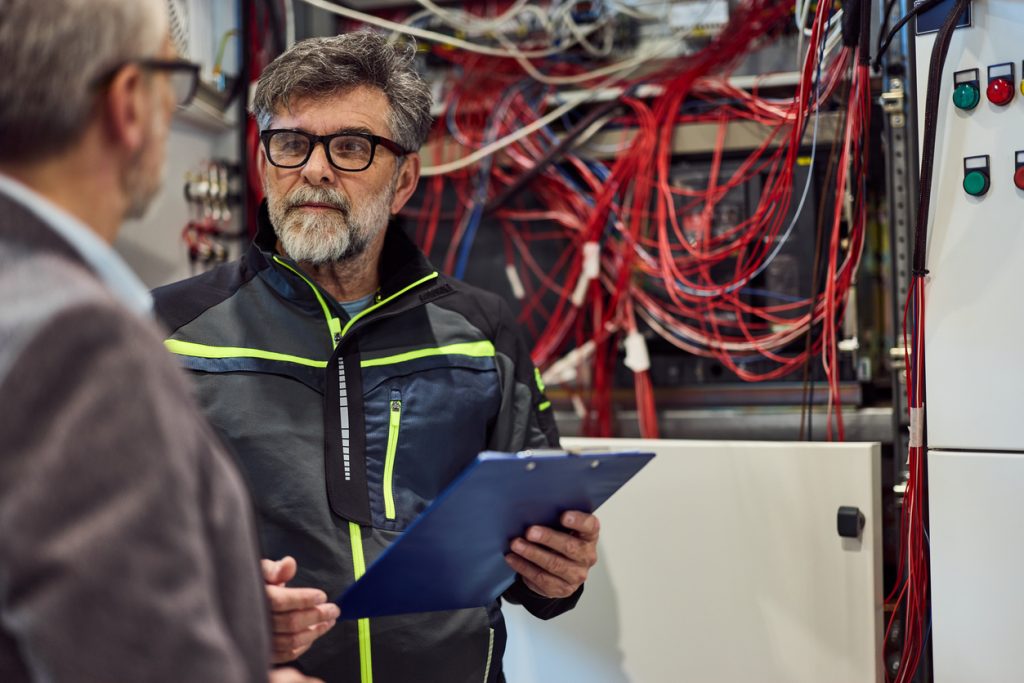
Health and Safety Compliance: What the HSE Actually Looks For During an Inspection
An HSE inspection is not just a check on paperwork. It is a review of how well a business understands
Fatigue Risk Assessment: Why Longer Working Hours in Spring Increase Workplace Safety Risks
Spring often changes the pace of work. Sites stay active for longer, teams start earlier, and many businesses take on

Using DSEAR to Strengthen Your ESG Score and Environmental Credentials
Environmental, social and governance performance now affects far more than annual reporting. Clients, insurers, investors, landlords and procurement teams increasingly

Sustainable Savings in 2026: The Hidden Financial Perks of DSEAR Compliance
Cost pressure in 2026 has forced many businesses to examine every part of the operation more closely. Teams are reviewing

Improving Air Quality While Lowering Your Carbon Footprint This Spring
Spring is a useful point in the year to review how your workplace performs. Heating demand starts to change, windows
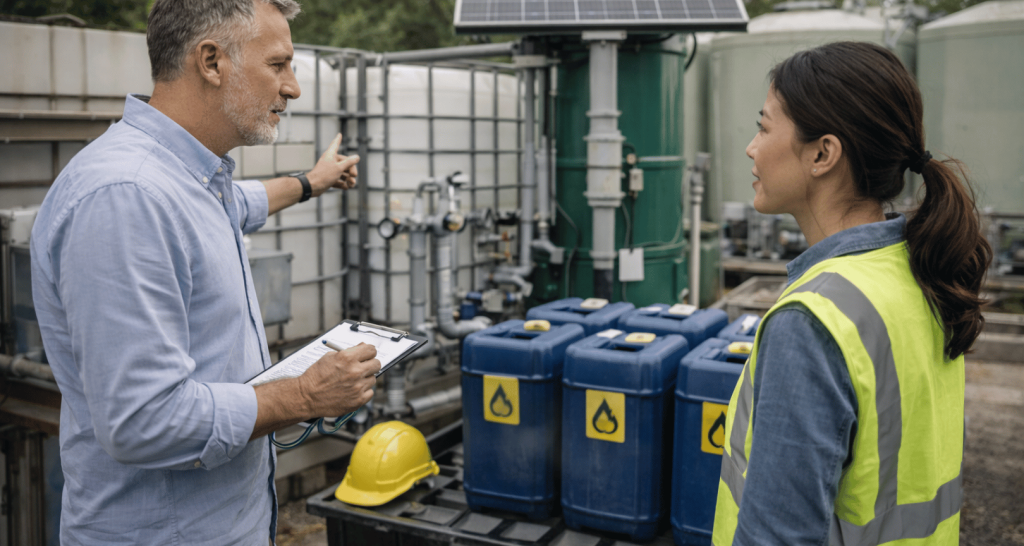
Green Compliance: How DSEAR Assessments Can Support Sustainable Practices
Dangerous substances remain essential to many operational processes across manufacturing, logistics, energy, food production and facilities management. Flammable liquids, vapours

Fatigue at Work? The Silent Threat Your Risk Assessment Missed
Fatigue rarely appears on incident reports, yet it sits behind many workplace accidents and performance failures. Tired workers often continue
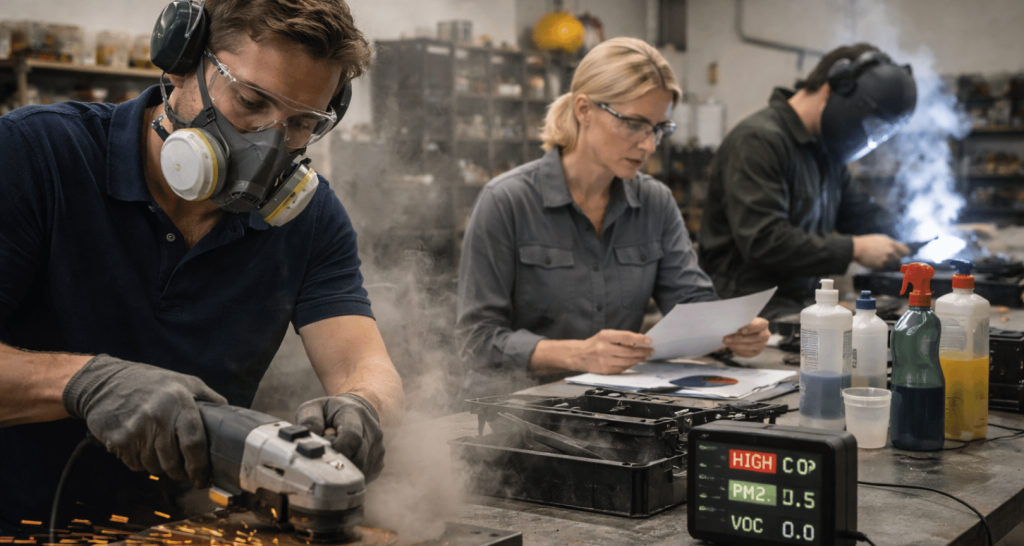
Hidden Dangers Lurking in Your Workplace’s Air Quality
Workplace air is easy to overlook. If an area looks clean and nothing smells unusual, it is often assumed that

How to Run an Effective Current Risk Assessment
Workplace risk does not remain static. Tasks shift, staffing changes, equipment degrades, and operational pressures increase. When assessments are not

When is a COSHH Assessment Required?
Chemical exposure remains one of the most persistent health risks in UK workplaces. Substances that appear routine within daily operations
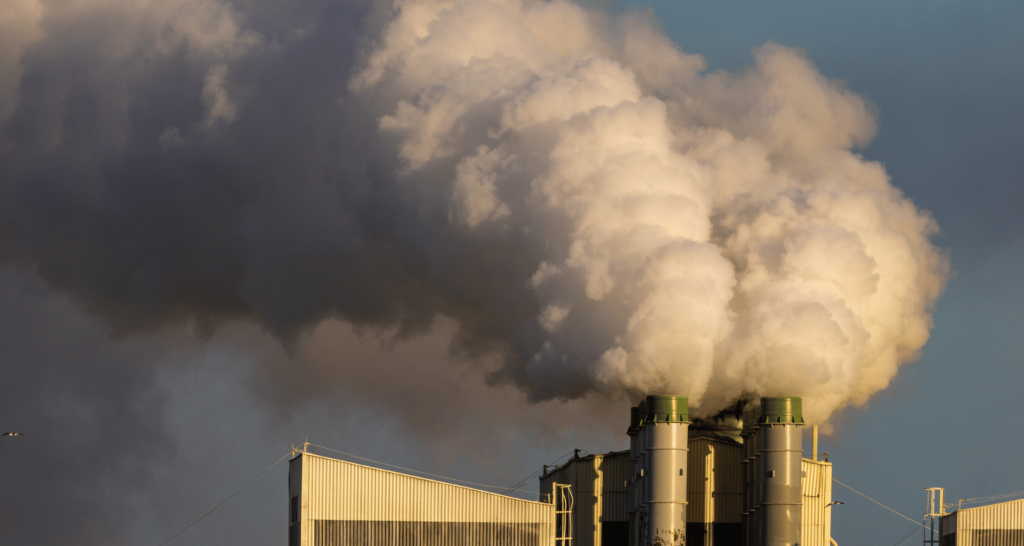
How Air Quality Impacts Your Sleep and Overall Health
Sleep disruption is increasingly raised by employers where fatigue and reduced concentration begin to affect work quality and safety. Environmental
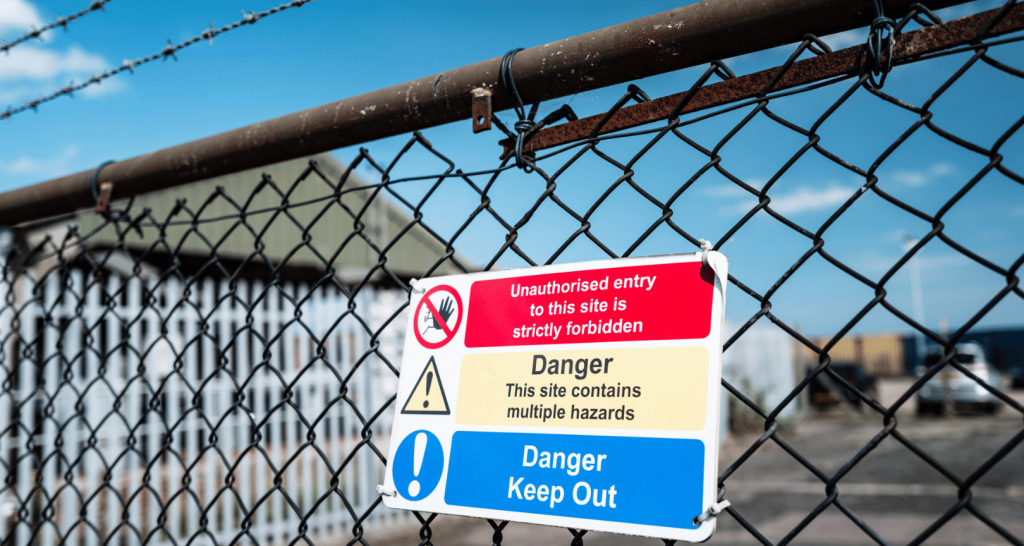
DSEAR Cheatsheet: Quick Guide to Workplace Safety Compliance
Workplaces that handle flammable substances face risks that can escalate quickly if not controlled. Additional fire and explosion hazards arise
How the Health and Safety Act Addresses the Consequences of Poor Safety
Weak safety arrangements usually show their impact through disruption to people and work activity. Harm to workers and damage to

Is Your Workplace at Risk? The Power of Fatigue Risk Assessments
Fatigue remains one of the most underestimated threats to workplace safety. Long hours and demanding schedules can reduce alertness in

A Guide to COSHH Assessments, the Law, and Staying Compliant
Hazardous substances appear in far more workplaces than many people expect. Cleaning products and inks, for instance, can harm health

How Often You Need to Review Your DSEAR Assessment
Hazardous substances used in production or maintenance work can create significant risks. Product ranges change and contractors arrive on site.

A Practical Employer Guide to Meeting DSEAR Regulations
Employers who handle flammable liquids and gases, or combustible dusts, already know that fire and explosion risks can never be

£140,000 Fine for Vibration Failings – Could This Happen at Your Workplace?
In April 2025, the HSE published the details of a serious health and safety breach that led to a £140,000 fine

Beyond the Basics: Why Standard Risk Assessments Aren’t Enough in High-Hazard Environments
In high-hazard industries, where exposure to harmful substances and complex processes is part of the daily routine, basic health and

Devon County Council Pays Out Over £300K in Workplace Accident Claims: A Wake-Up Call for Employers
Recent data from Ivybridge Today reveals that Devon County Council has paid an astonishing £302,384 in successful workplace accident claims over the past three

5 Things Every Health & Safety Manager Should Know About Occupational Hygiene
At Safety First Group, we don’t just help businesses tick compliance boxes—we protect people. As a leading provider of occupational

HSE Highlights Silica Dust Risks: Safety First Group Reinforces Monitoring Services.
The Health and Safety Executive (HSE) has recently intensified its focus on the dangers of respirable crystalline silica (RCS) exposure

From Compliance to Confidence: How a Retained Health & Safety Service Can Transform Your Business
In today’s ever-evolving regulatory landscape, ensuring workplace health and safety isn’t just about ticking boxes—it’s about creating a culture of

What Every Health & Safety Manager Should Know: 10 Things About Occupational Hygiene That Can’t Be Ignored
When it comes to keeping your workforce safe and your business compliant, occupational hygiene is one of the most vital, yet often
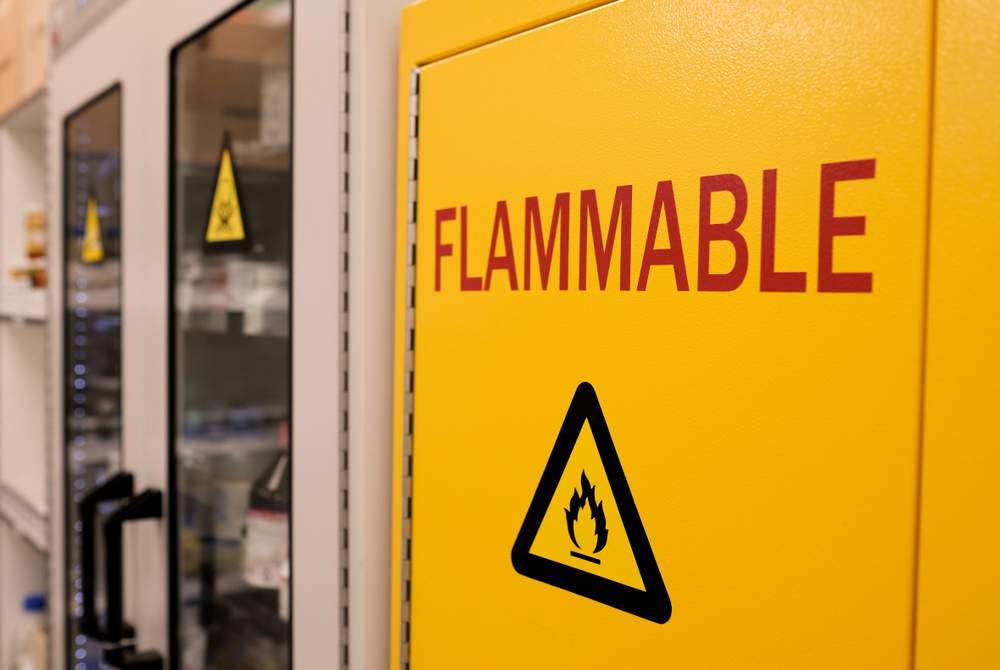
The Importance of DSEAR Compliance in the Workplace
In an age where workplace safety is at the forefront of regulatory and moral responsibility, the Dangerous Substances and Explosive
2024 Round Up – A Record-Breaking Year
As we step into 2025, Safety First Group continues to thrive as a leader in occupational health, safety, and environmental
How to Safeguard Your Business Against Legionella Outbreaks
Legionella bacteria may not dominate headlines, but the risk it poses to businesses – and human health – is significant.
Why Occupational Exposure Monitoring Matters in Hazardous Environments
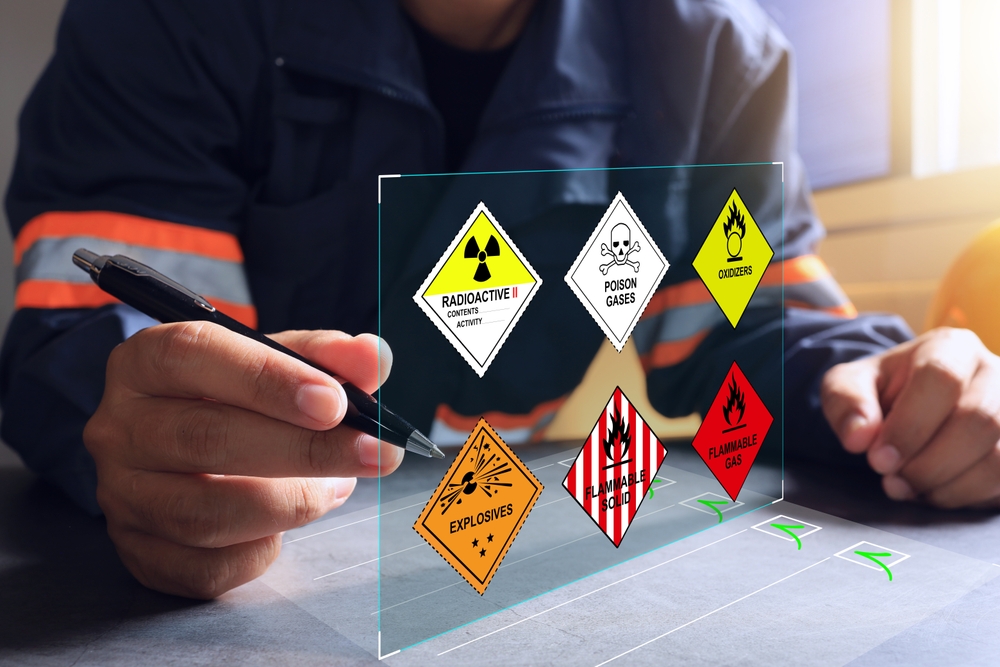
Why Occupational Exposure Monitoring Matters in Hazardous Environments In today’s industrial landscape, ensuring the safety and wellbeing of employees is

Customer Survey Results: A Testament to Excellence at Safety First Group
At Safety First Group, customer satisfaction and the quality of our services are at the heart of everything we do.
Preparing Your Business For Winter
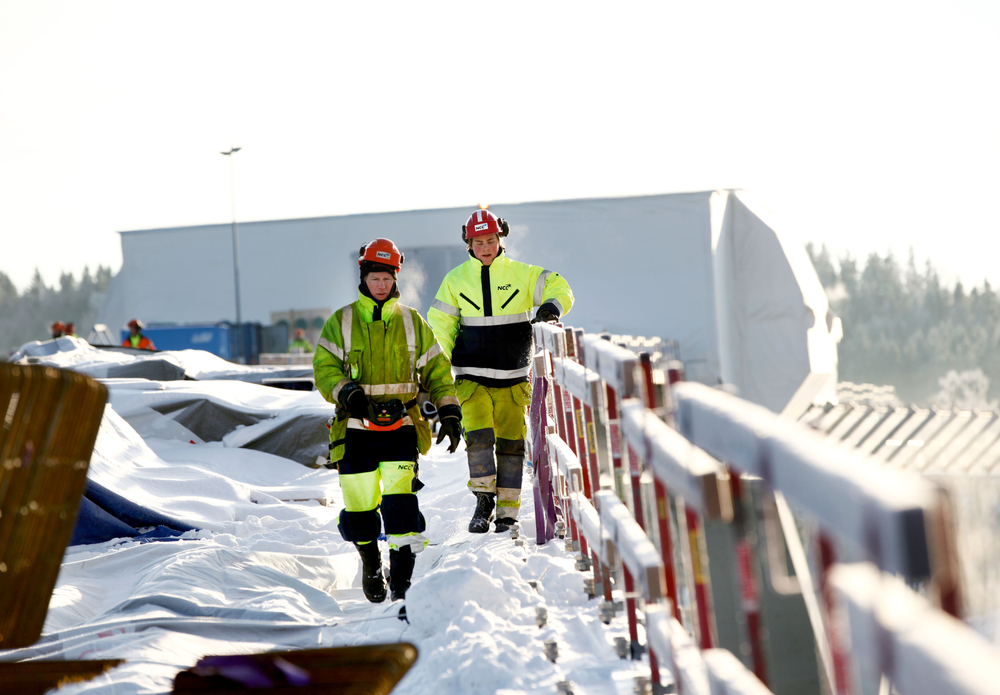
Winter poses unique challenges for businesses, requiring proactive health and safety measures to ensure operational continuity. From icy pathways to
Housing Group Fined £900,000 for Legionella Failures
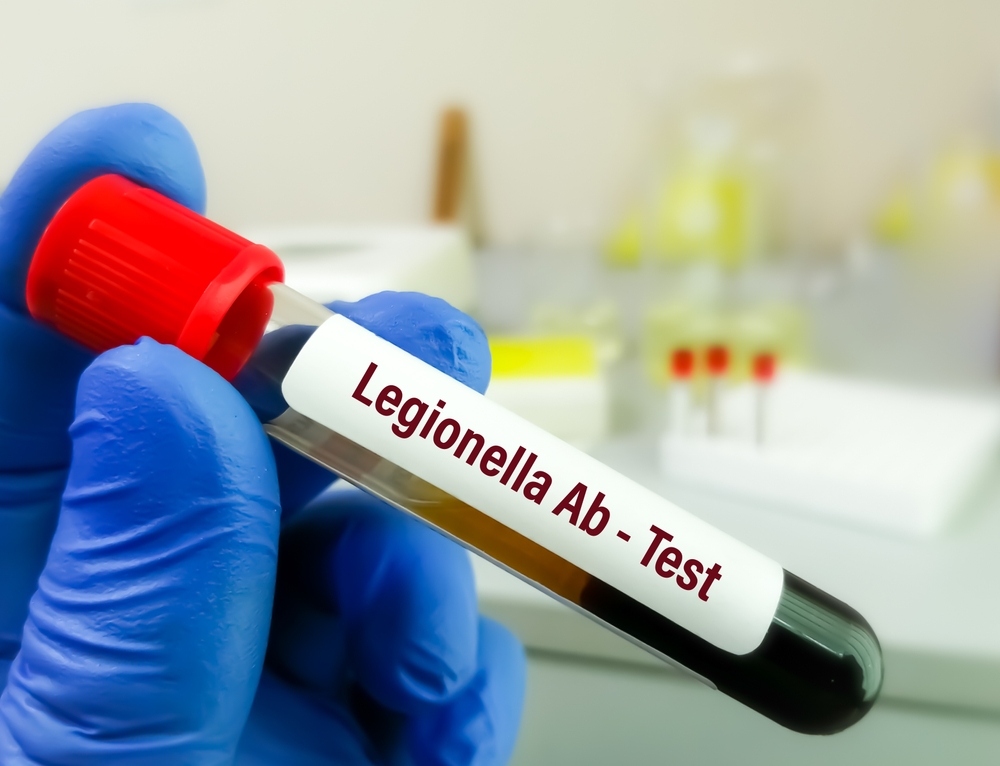
Sanctuary Housing, a major UK housing provider, recently faced a £900,000 fine after failing to manage legionella outbreak risks at

Get Ahead of DSEAR Compliance Before It’s Too Late
Is your business prepared for DSEAR compliance? The Dangerous Substances and Explosive Atmospheres Regulations 2002 (DSEAR) are not just another

Legionella Discovered for Second Time at Police Scotland College
The discovery of Legionella bacteria at Police Scotland’s training college has brought attention to the health risks posed by contaminated
Port Vale Football Club Secures Water Safety with Safety First Group
Port Vale F.C., a prominent football club with a rich history based in Burslem, Stoke on Trent, prioritises maintaining a

How Integrating Exposure Monitoring with LEV Systems can Create a Comprehensive Safety Strategy
Having a comprehensive safety strategy in place for your business ensures that you are working in line with current regulations
The Growing Call to Ban Engineered Stone Due to Silicosis Risks
In recent years, the construction industry has seen a rise in cases of silicosis, a severe and irreversible lung disease
How Legionella Monitoring Saves Lives in Care Homes
In the healthcare industry, especially within the residential care sector, the safety of vulnerable individuals is of utmost importance. Care
5 Practical Steps and Control Measures to Minimise Vibration Exposure
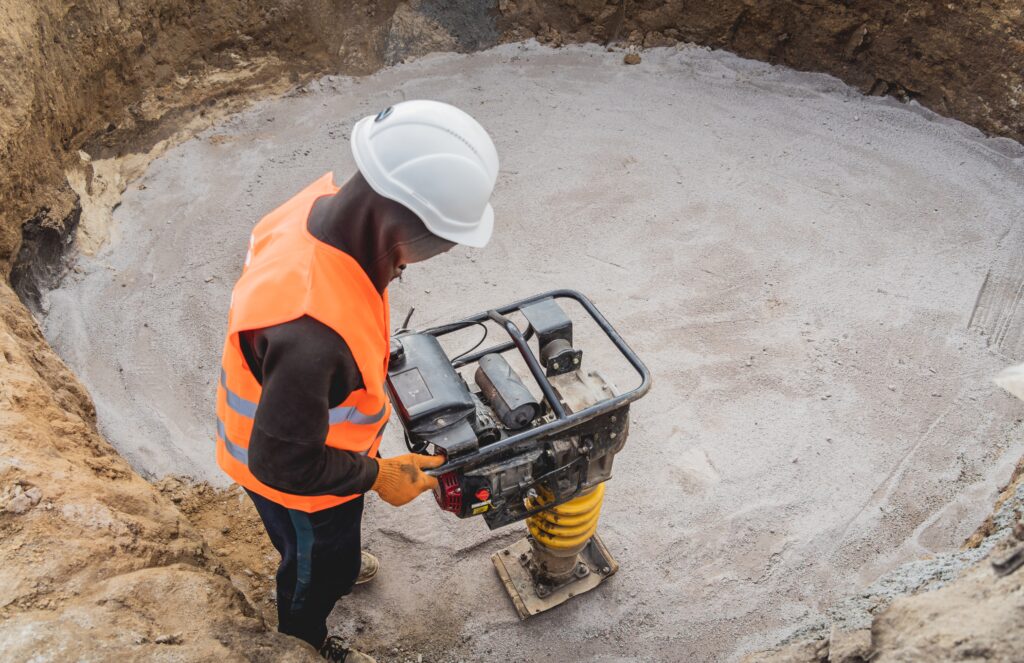
Long term vibration exposure is most commonly an issue for people working in construction and manufacturing, with the implications for

Occupational Exposure Monitoring Explained
Let’s talk about Exposure Monitoring. It’s fair to say that nearly all employers accept that they have a responsibility and
Legionella leads to 28 day (and counting) library closure
Legionella has hit the news again, this time with Chantry Library in Ipswich closing for 28 days (and counting), following

Fundraising for Douglas Macmillan Hospice
𝗢𝘂𝗿 𝗦𝘁𝗼𝗿𝘆: As a combined team from Safety First Group & Tailored Carpets; Steve, Rich, Pete, Ash & Will all
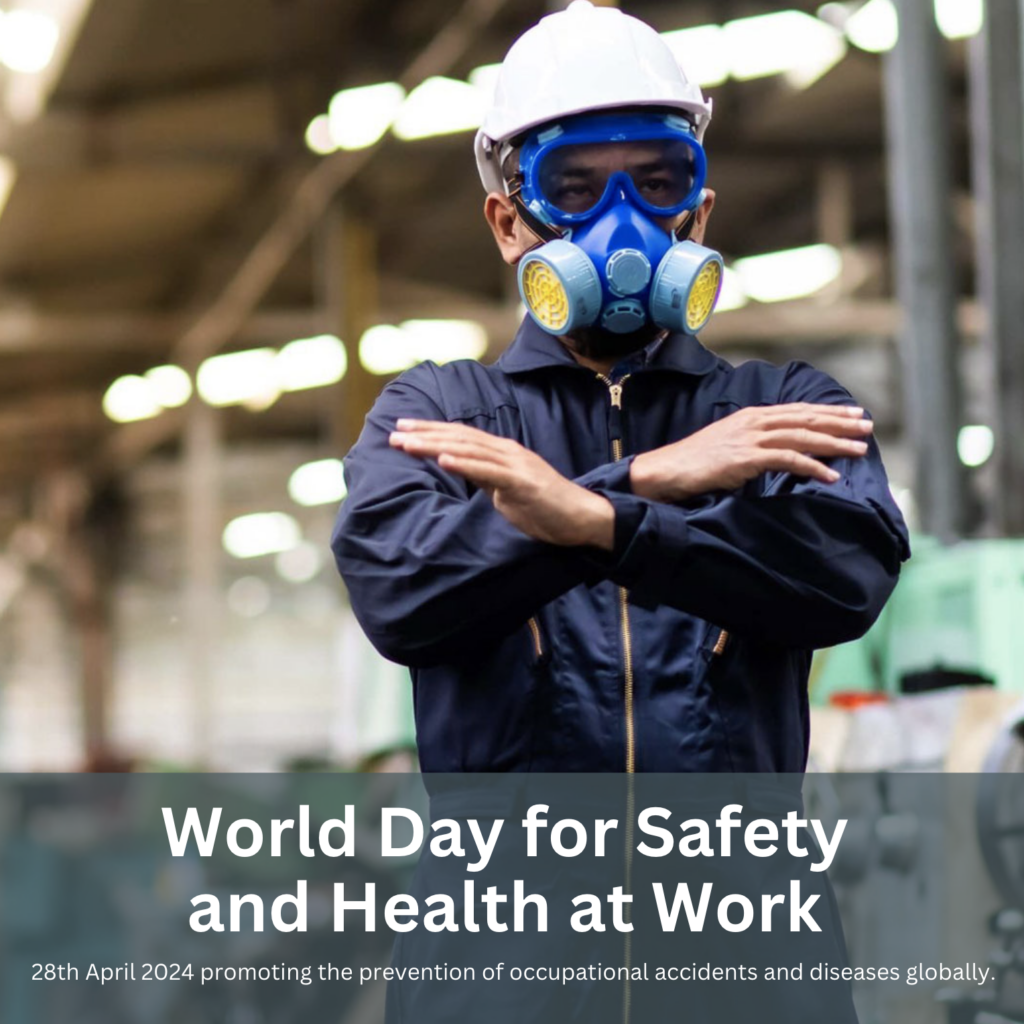
World Day for Safety and Health at Workplace
To acknowledge World Day for Safety and Health in the Workplace (28th April 2024) we’ll be releasing advice and tips
Celebrating 8 Years of Safety First!
CLICK BELOW TO READ OUR FULL ARTICLE & WORDS FROM THE FOUNDER AND MD BELOW
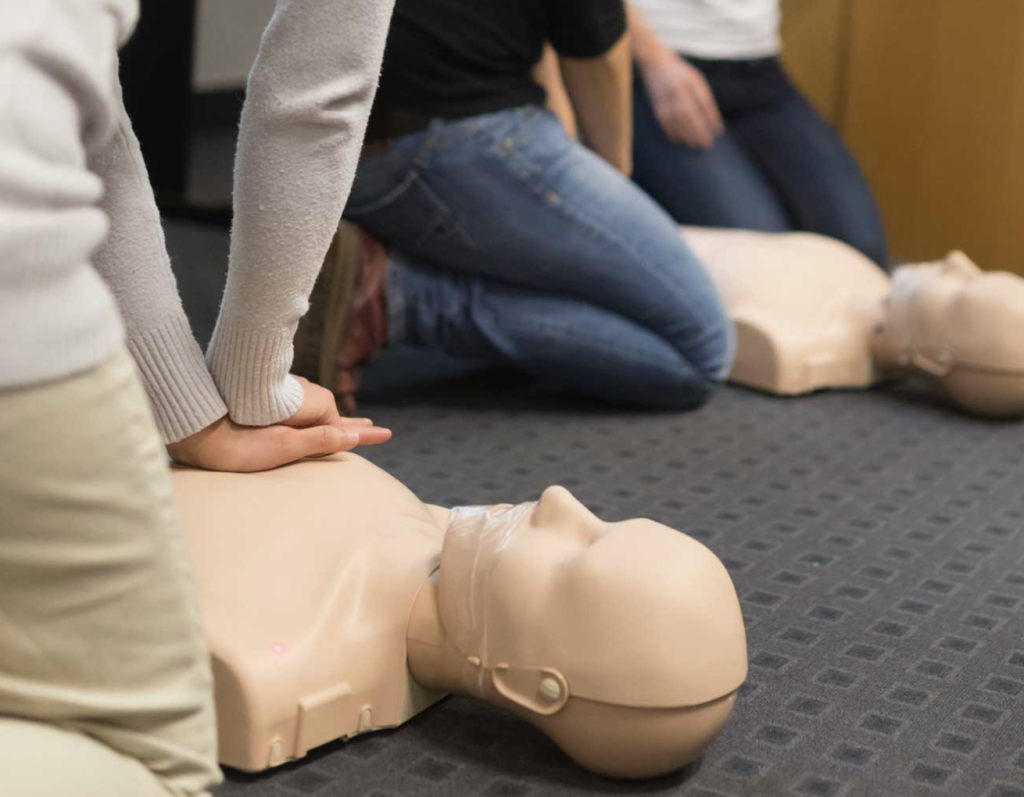
NEW Courses For First Aid In Work
Employers must make sure employees get immediate help if taken ill or injured at work. The law applies to every

Man arrested after TV star fatally falls from height in the workplace
Police continue investigation after Gilbey reportedly died in a workplace accident in Southend-on-Sea A man arrested in connection with the
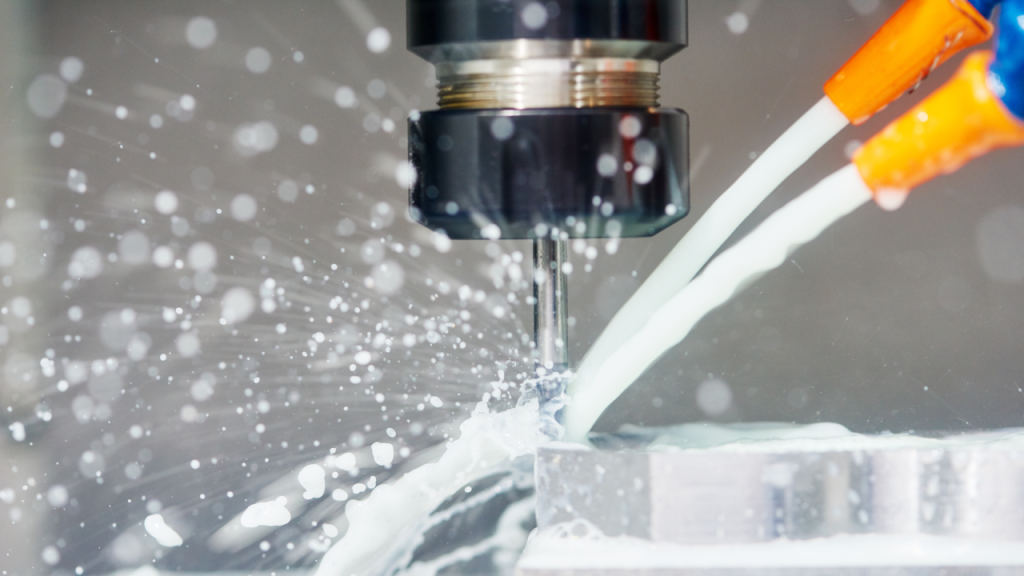
Metalworking fluid or ‘white water’ HSE inspections
Since October, HSE has been inspecting manufacturing businesses that use metalworking fluids in their machining processes, with more than half

Visit us at The Health & Safety Event 30 April – 2 May 2024 NEC, Birmingham
Come and see us on stand 4/C30 This show is ideal for anyone responsible for running a safe and efficient
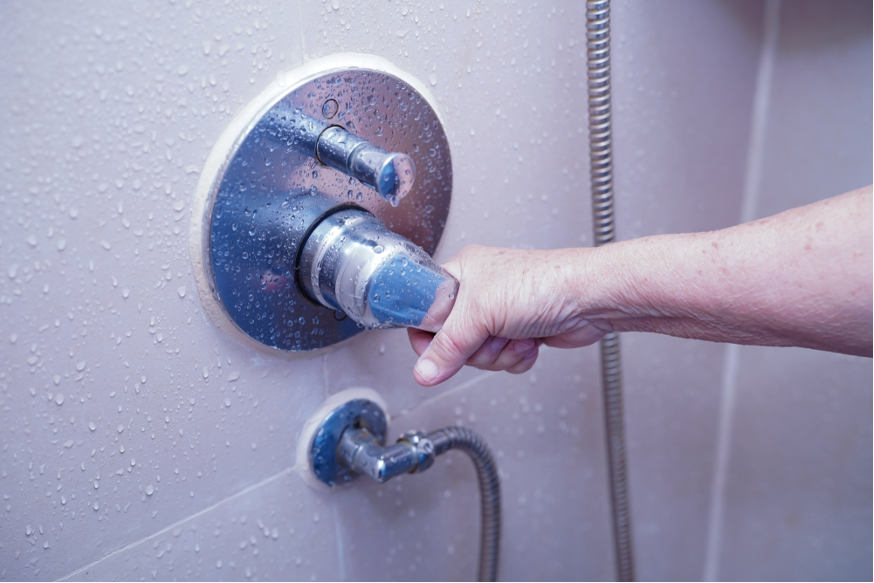
Unannounced Inspectors find legionella bacteria at care home
Some industries are more vulnerable to the potentially devastating effects caused by Legionnaires’ disease and legionella contaminated water than many

TLC for the workplace and your employees ❤️ Are you confident in your health and safety practices?
Still in the month of February, we’re focussed on caring and loving your workplace to create the best working environment

Love Your Workplace & Look After Your Employees Wellbeing
It’s Time to Talk Day! Time to Talk Day is on 1 February 2024. It's the nation's biggest mental health
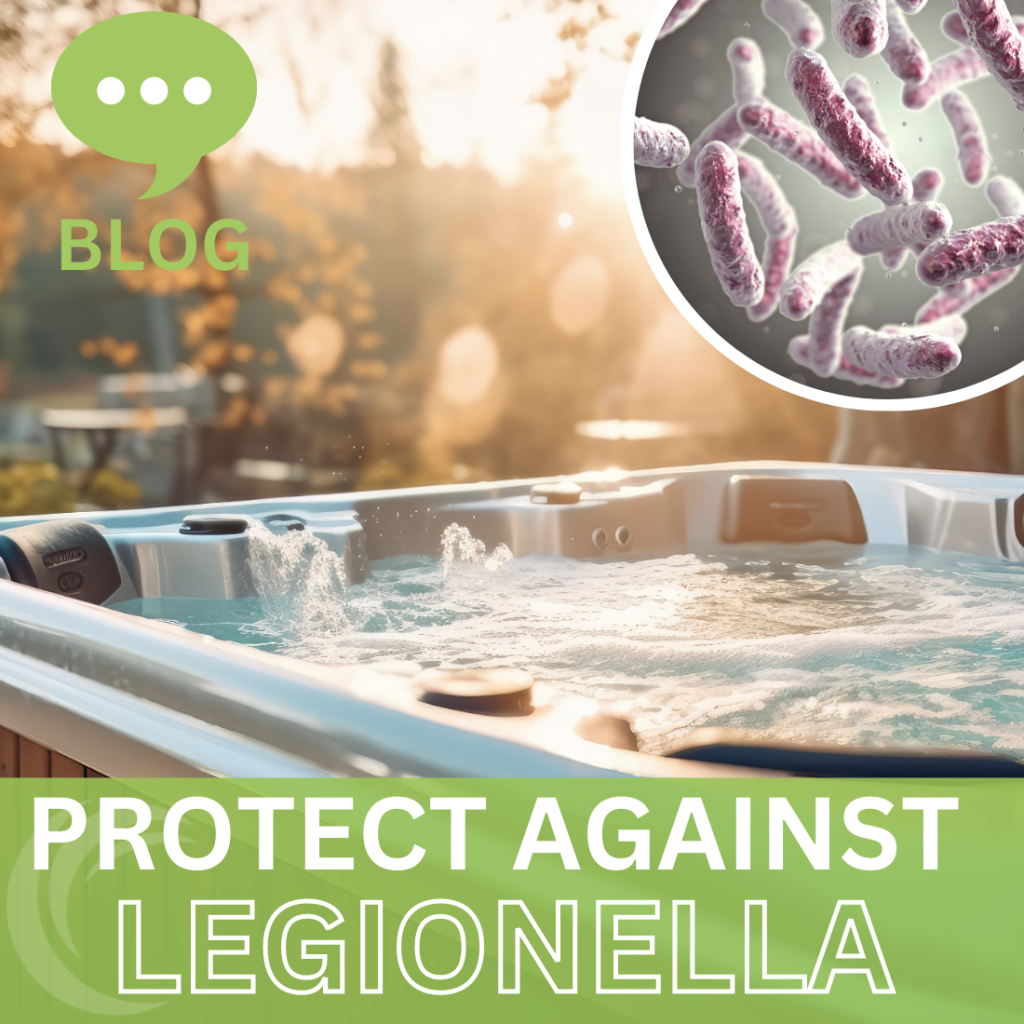
Stop! Are You Protected Against A Legionnaires’ Disease Outbreak?
Let us help take this stress away and protect your employees and/or customers. There are many different aspects of legionella

NEW Are you ready for HSE Inspections for metalworking businesses?
Exposure to metalworking fluids can cause harm to lungs and skin. Health surveillance aims to detect any symptoms of ill
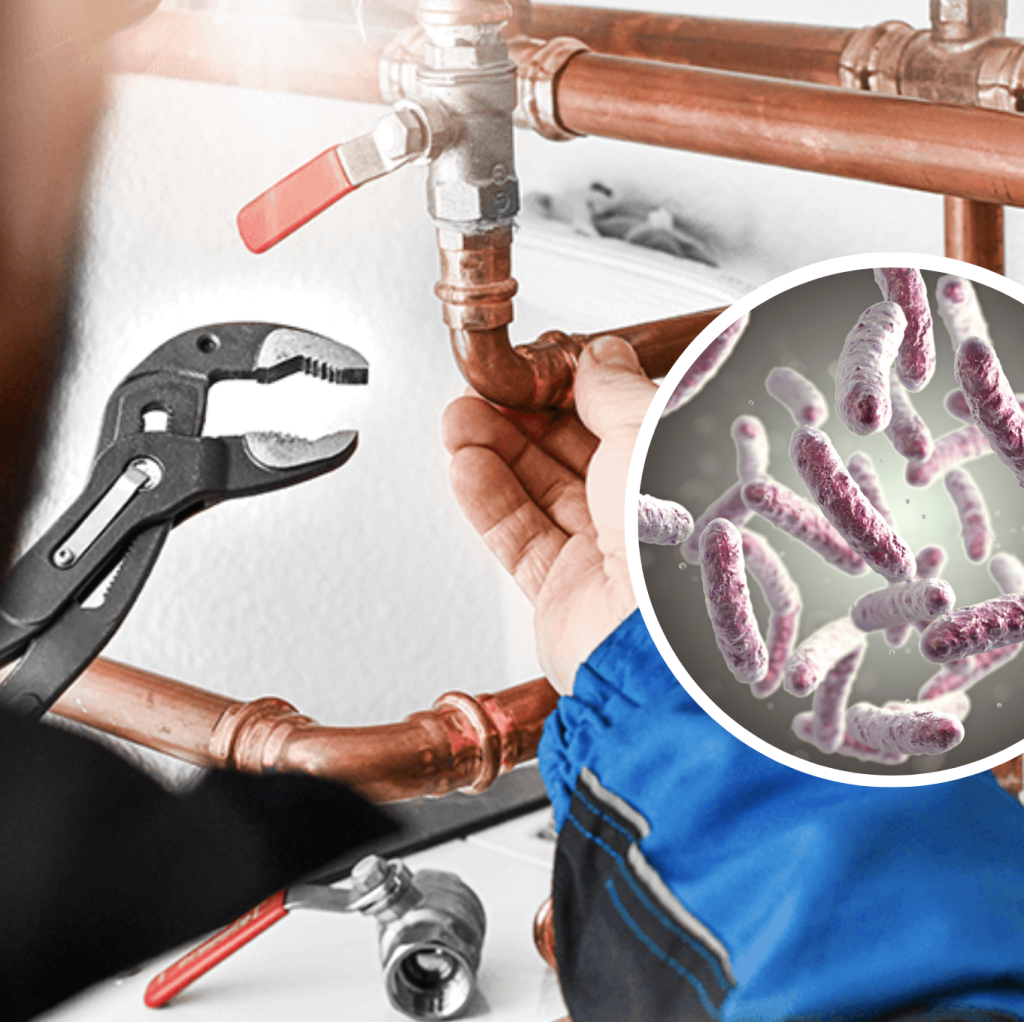
Legionella found in water system Nuneaton school
Pupils will finally be able to start to use the new school building at a Nuneaton school this week (November

How to manage workplace health and safety during winter
Making sure your business is a safe place for people to work, shop, or visit is essential. Whether you’re a public-facing
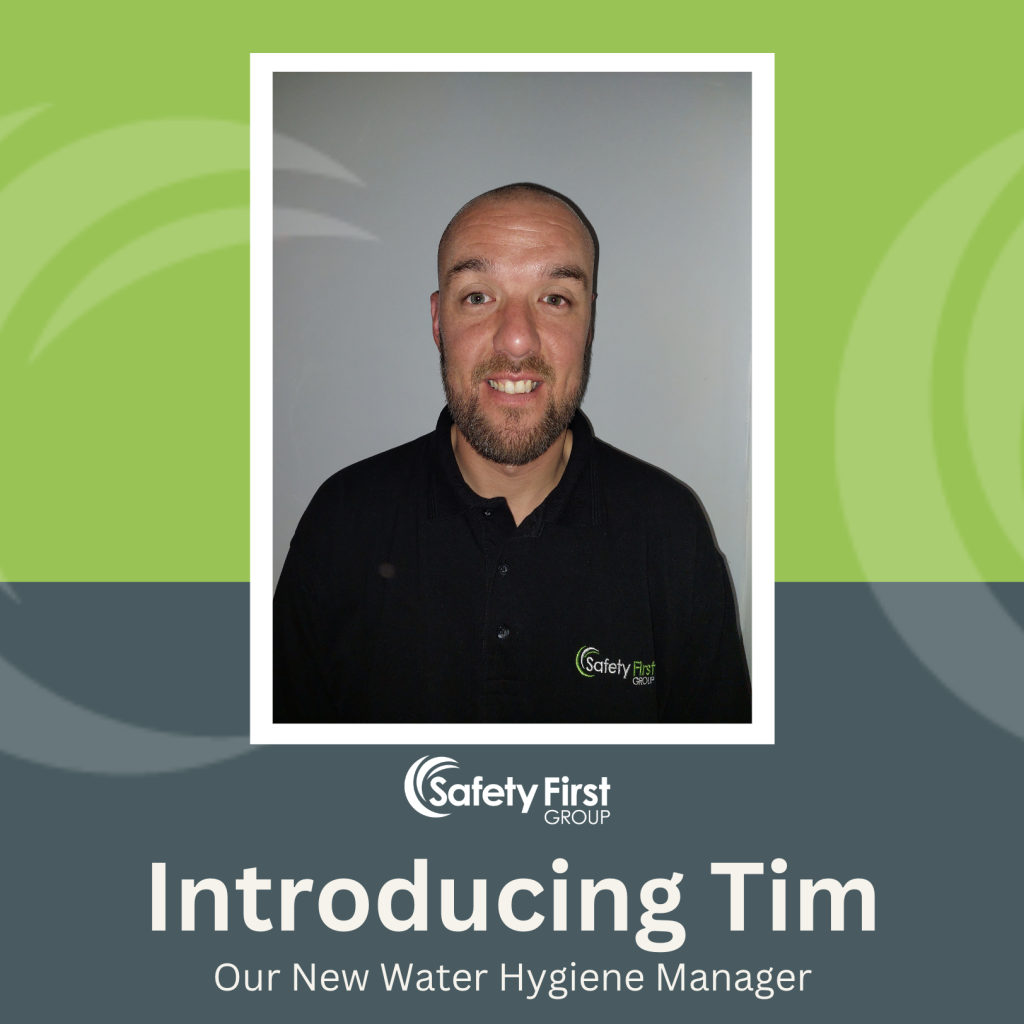
Tim Lees appointed as Water Hygiene Manager
We are delighted to appoint Tim Lees to lead our growing team in providing comprehensive solutions in the field of
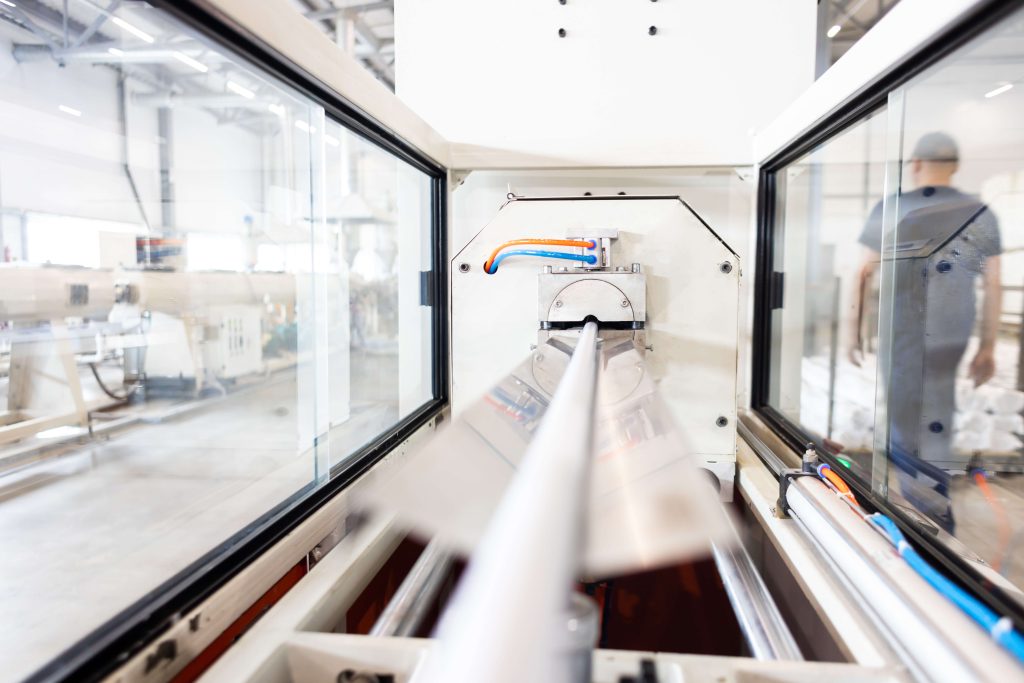
Plastic Fumes Exposure Monitoring & Testing
Constant innovation within the plastics industry means that plastics are used across almost every sector, with a multitude of uses
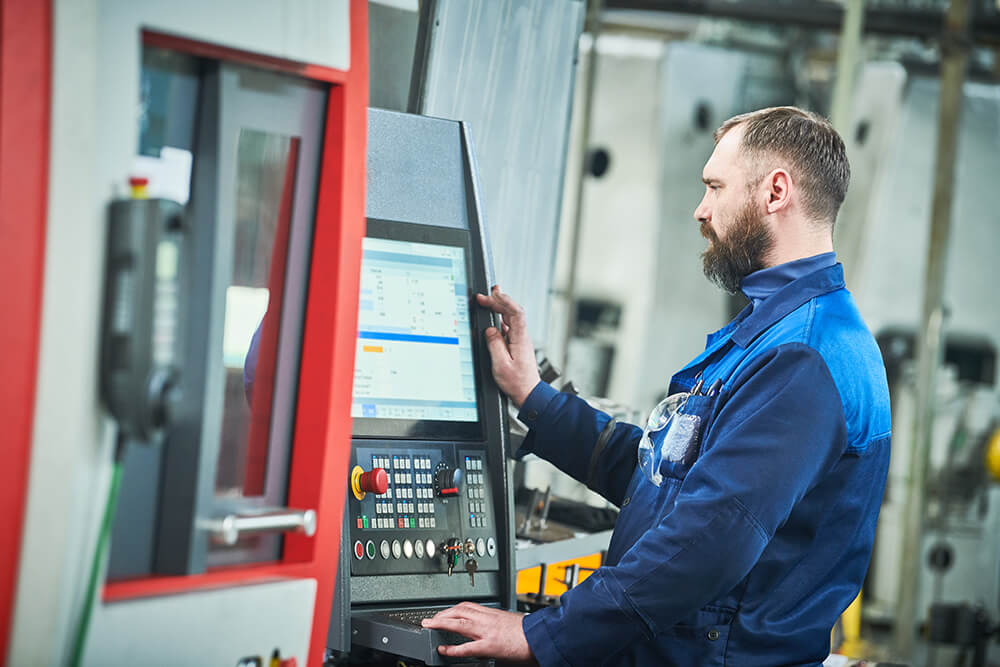
HSE inspections between now and March 2024 to highlights dangers from metalworking fluids
Businesses are being warned to make sure their staff are safe when working with metalworking fluids or coolants. It’s a

We’re Hiring! Business Development Consultant
If you, or someone you know, are looking for a career with Safety First, please take a look at one
We’re Hiring! Occupational Hygiene Consultant
If you, or someone you know, are looking for a career with Safety First, please take a look at one

Waste management company fined £3m following HSE investigations
A waste management firm has been fined a total of £3 million following the deaths of two workers in separate

Latest construction campaign to prevent ill health from moving and handling materials
The concept of occupational health is an area that there has been growing understanding in recent times. Where employers have
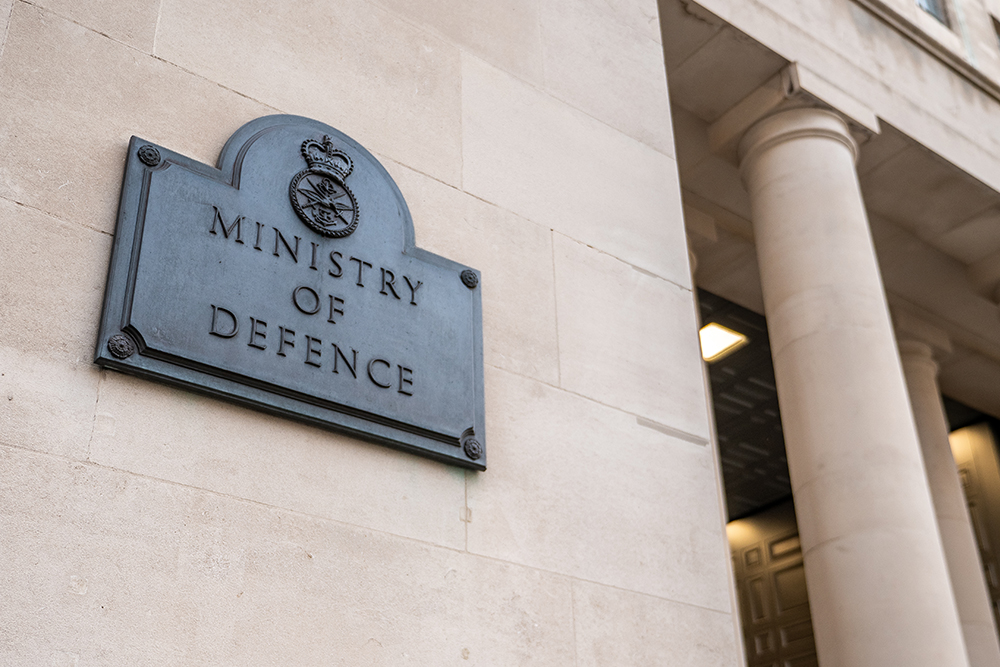
Sewage leaks and legionella in workplace put civil servants at risk
Civil service unions have condemned “unsafe and unsanitary environments” for workers at government offices. Data obtained by the Liberal Democrats
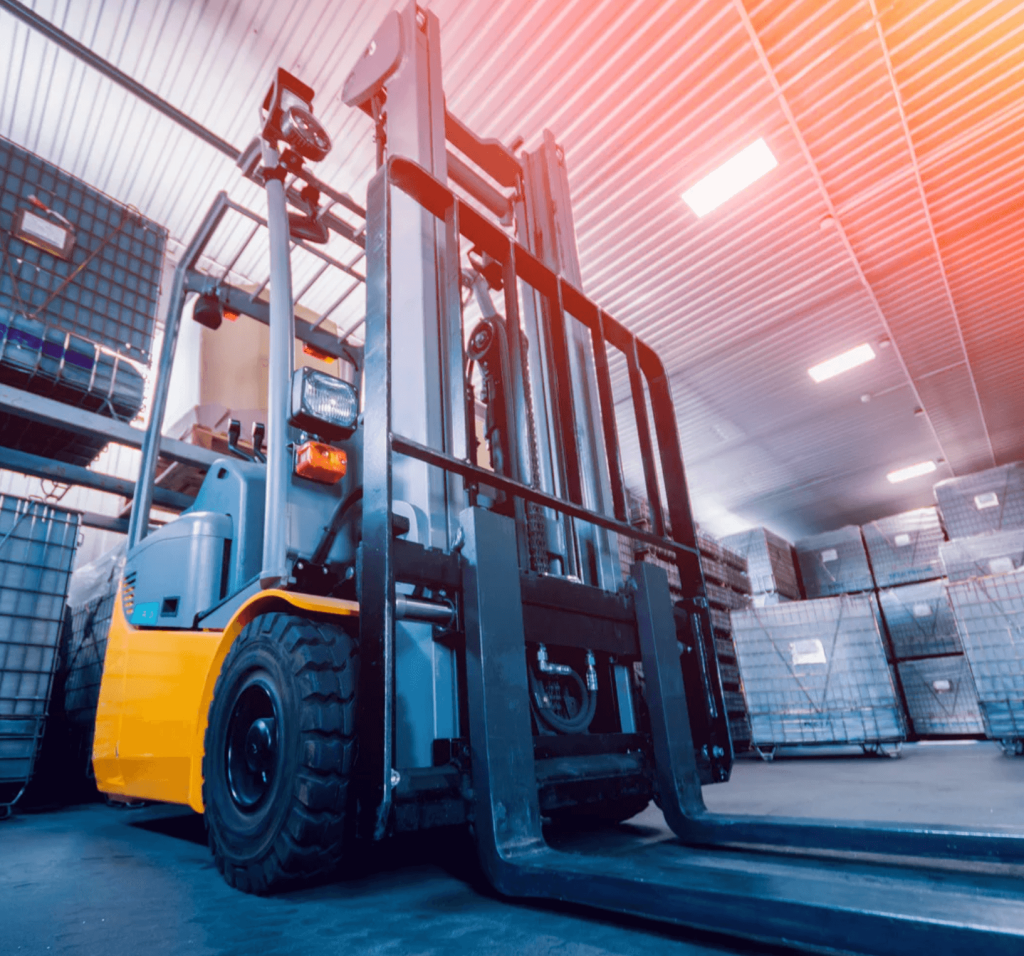
Clothing company fined after worker hit by forklift truck
A Lancashire clothing firm has been fined £40,000 after a man was seriously injured when he was hit by a
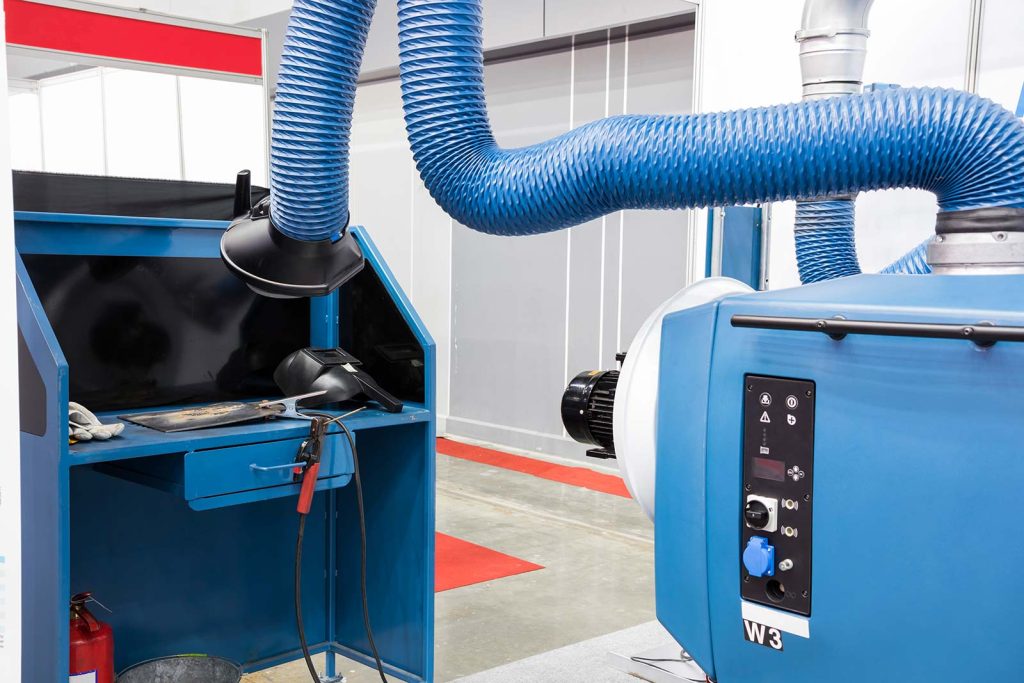
Improving general ventilation in the workplace
Minimise damage from dust, vapour and fumes with LEV inspection, testing and good ventilation Many jobs across different industries involve

Transport company fined £255,000 after worker fractures skull
Every year, there are accidents involving transport in the workplace, some of which result in people being killed. People are

Working in hot temperatures
There’s no denying we’re all enjoying this beautiful sunshine! But when it comes to working in this heat or even
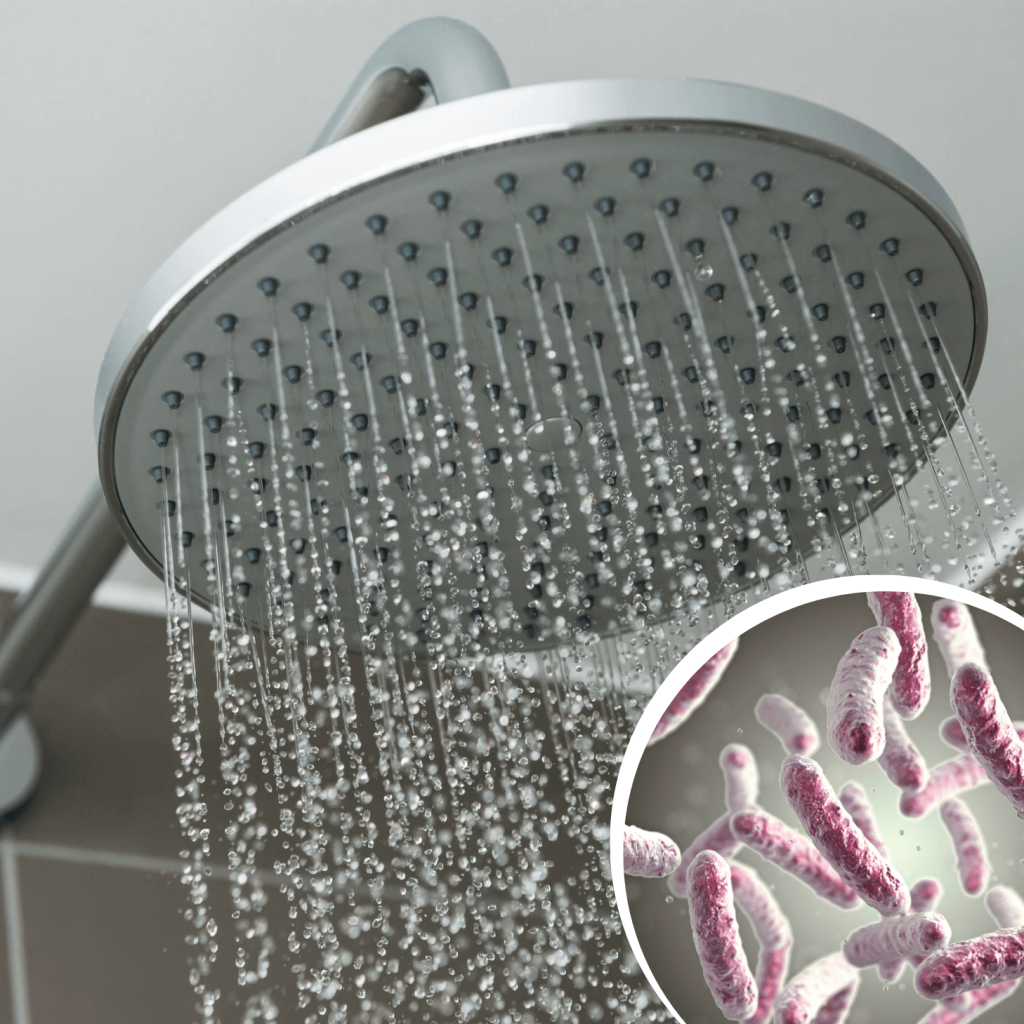
Legionella risk, one aspect of letting that many landlords never think about…
Landlords and agents are well aware that gas checks and electrical checks are legal requirements, but legionella is perhaps an

Company fined £200,000 after worker breaks arm in two places
A worker was caught in a machine, breaking his arm in two places. Footage of the incident has been released

Decrease health risks with regular workplace exposure monitoring
If you work in an industry that is prone to regular exposure to a variety of harmful substances such as

Anxiety is the theme of Mental Health Awareness Week 2023
In the UK, over half a million workers suffer from mental-health related conditions, this equates to more than one in
Occupational Hearing Loss: Prevention Tips
Hearing loss caused by work is preventable but once hearing has gone it won’t come back. Since 2005, employers have

World Day for Safety & Health at Work – 28th April 2023
Every day, 6,300 people die as a result of occupational accidents or work-related diseases more than 2.3 million deaths per

Spring clean your Occupational Hygiene assessment for protected, happy and productive employees
This article takes a look at the importance of Occupational Exposure and Air Quality Monitoring in changing environments. Spring has

Southampton care home failed to ‘assess risk’ of legionella
At the end of March this year, a Southampton care home was told it requires improvement after health inspectors found
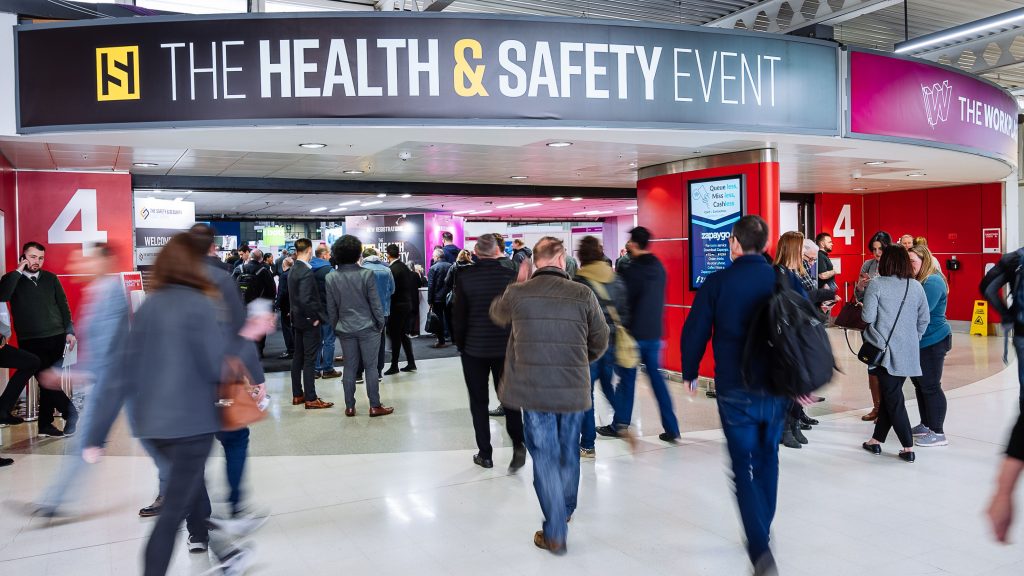
Visit us at The Health & Safety Event April 2023
The Health & Safety Event is the UK’s largest gathering of anyone responsible for running a safe and efficient workplace

Can prioritising worker health really protect your business’ reputation?
There have long been discussions around whether protecting worker health can help protect the reputation of a business. The fact
Legionella Found In Hospital Responsible For Death Of Two Patients
Legionella has made its way into the headlines again after being found in a hospital in the East of England.
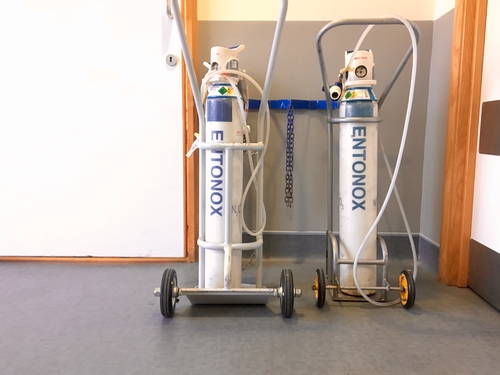
Workplace Air Monitoring – The Dangers of Entonox & How To Manage High-Risk Maternity Nurses
Workplace air monitoring has hit the headlines due to a hospital that has temporarily banned the use of popular maternity

The Hidden Dangers of Noise At Work
There are many dangers in the workplace that cannot be seen. And noise at work is one of those. Alongside
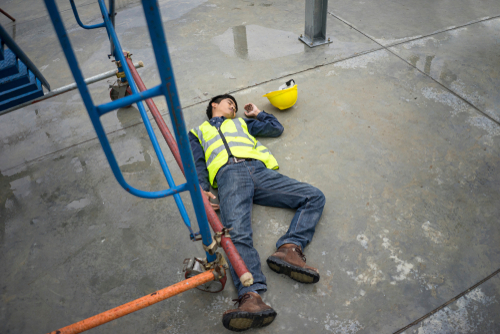
Inadequate working at height conditions caused fractured spine of worker
A construction worker suffered a broken back after falling from scaffolding due to poor working at height conditions. The construction
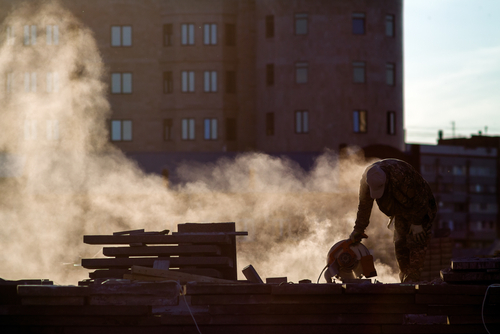
Silica dust exposure is a matter of urgency experts warn
MPs have called for more to be done in monitoring silica dust exposure at work. Labelled a ‘matter of urgency’,
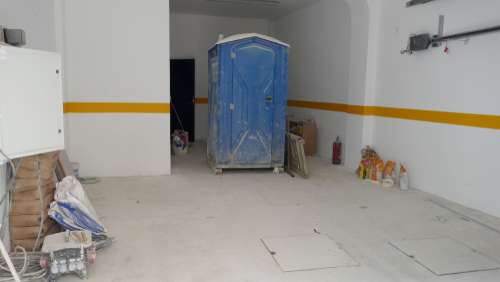
HSE fines contractor for poor toilet facilities on construction site
A contracting firm and its director have been fined by the HSE for failing to provide adequate care facilities on
Construction News – Woodworker fined for poor health and safety management
A construction firm in Cheshire has been fined £20,000 by the HSE for poor health and safety management. The firm,
Serious Workplace accidents Still Cause Of Concern For HSE
A driver has been killed in a workplace accident in Salford, Manchester. This is just one of many workplace accidents
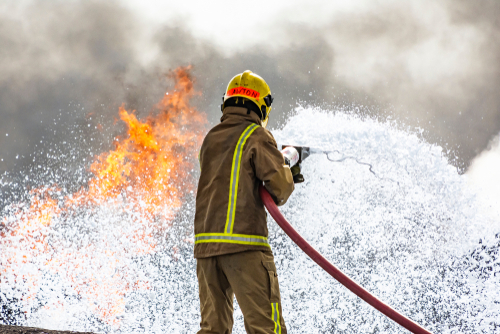
Number of Occupational Cancer Cases On The Rise Amongst Firefighters
A recent study into occupational cancer has reported that firefighters are three times more likely to die from cancer than
Is The Sun About To Set For Working at Height Regulations In The New Reform Bill?
The scaffolding association has asked the government to not scrap or relax existing working at height regulations. As a result

Health and Safety Failings Lands Building Firm With Huge Fine
A building company in the North West has been fined by the HSE for a ‘catalogue of health and safety

Diacetyl Vapour and the link to Occupational Lung Disease
The HSE has confirmed that diacetyl can cause occupational lung disease when exposure limits have been exceeded. Diacety, found naturally
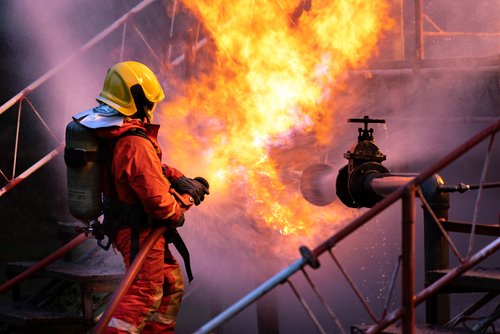
Industrial Explosions – Why DSEAR Compliance Is Critical
Following improper DSEAR compliance, a manufacturer in Scotland has been fined £80,000. This is after a worker died following an
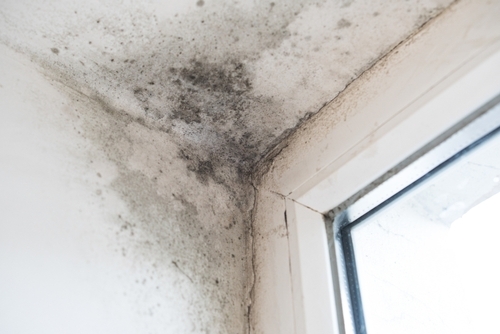
Why Black Mould Is On The Radar For Housing Associations
There has been a rise in housing associations making contact about black mould. If you don’t read the news, you

What Is Occupational Hygiene And Why Do We Need It?
By 2023 occupational hygiene has been practised for around 300 years. Occupational hygiene is the practice of managing health risks

Industrial Accident Causes Engineer Fatality on Popular Railway Line
An investigation into an industrial accident has been passed over by the police to the HSE. The Health and Safety

An essential Guide To Managing Wood Dust Inhalation
The British Occupational Hygiene Society (BOHS) are kicking off 2023 with a focus on air quality monitoring for woodworkers. This

Construction Industry – Can Improved Safety Boost Productivity and Reputation?
As we face unprecedented times going into 2023, what can be done to reduce errors in the construction industry? Even
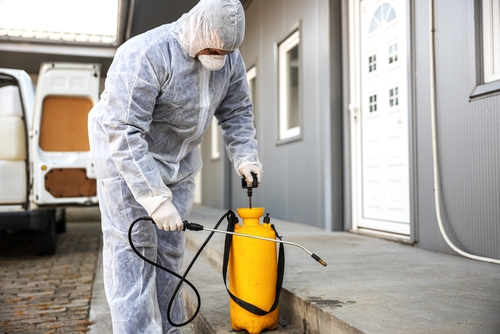
Exposure to Hazardous Substances at Work – What are the long term effects?
Many workers in the UK are exposed to hazardous substances at work. But, do we understand enough about the long
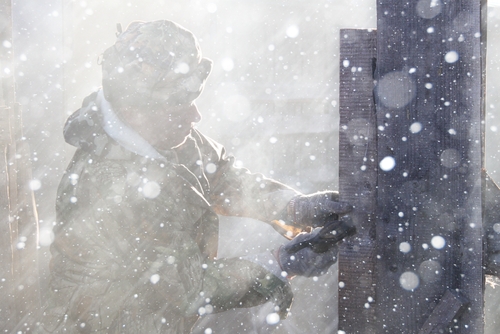
Cold Weather Working – What The HSE Need You To Know
The UK’s workplace regulator, the HSE, is reminding employers about the dangers of cold weather working. As most of the

Good Workplace Health Linked To Business Sustainability Goals
The British Occupational Hygiene Society (BOHS) has recently highlighted the link between good workplace health and sustainable development goals for
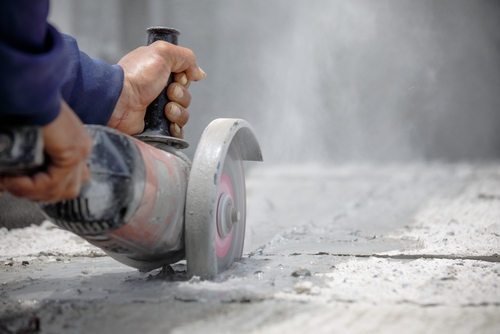
Rising Silica Dust Deaths – Is This the New Asbestos Crisis?
The British Occupational Hygiene Society (BOHS) calls for more to be done amid rising numbers of deaths relating to inhalation

Workplace Noise – The Enemy of Workforce Productivity?
Are we treating workplace noise as a priority? The issue of noisy workplaces isn’t a new one. Especially for construction
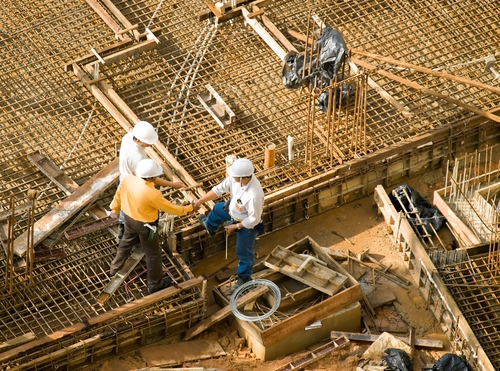
Building Contractors – New Compliance Rules Expected
From October 2023, the HSE is set to introduce new compliance rules that mean building contractors will need to evidence

HSE Release Annual Statistics for Work Related Accidents
The HSE has recently released their annual 2021-2022 statistics for work related accidents. This is an important report for many
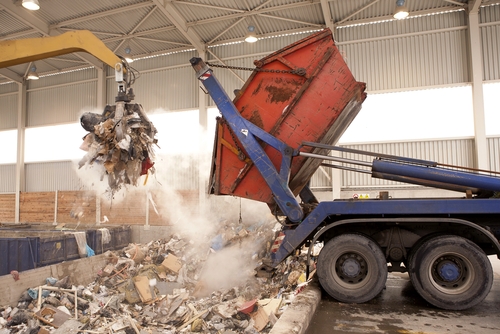
Health and Safety Management – UK Waste industry under scrutiny
The UK waste and recycling sector is under the spotlight with the HSE for poor overall health and safety management.

Symptoms of Occupational Lung Disease That Shouldn’t Be Ignored
This week is COPD awareness week so it is important to raise awareness of the symptoms of occupational lung disease.
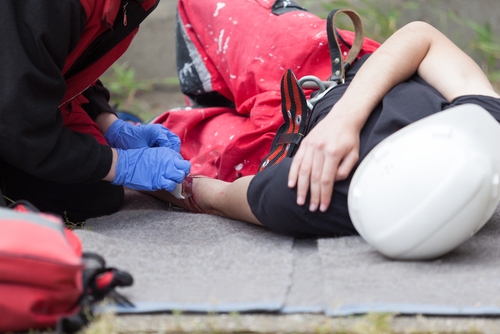
Health and Safety at Work – Machinist Loses Finger in Accident
A scrap firm has recently been fined for breaching health and safety at work regulations. The employee lost parts of

The dangers of wood dust exposure for UK manufacturers
UK wood manufacturers face the significant burden of serious respiratory disease amongst their workforce. However, the dangers of wood dust

Workplace Health and Safety – Employee dies due to poor measures
A catering equipment cleaning company has been fined after one of their workers sadly died after falling into hot water.
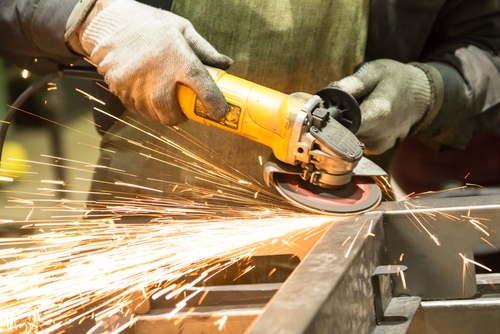
Workplace Vibration and Noise – Is it time To Replace Angle Grinders?
Exposure to workplace vibration, noise and dust has been examined in In a recent assessment by the HSE. In steel
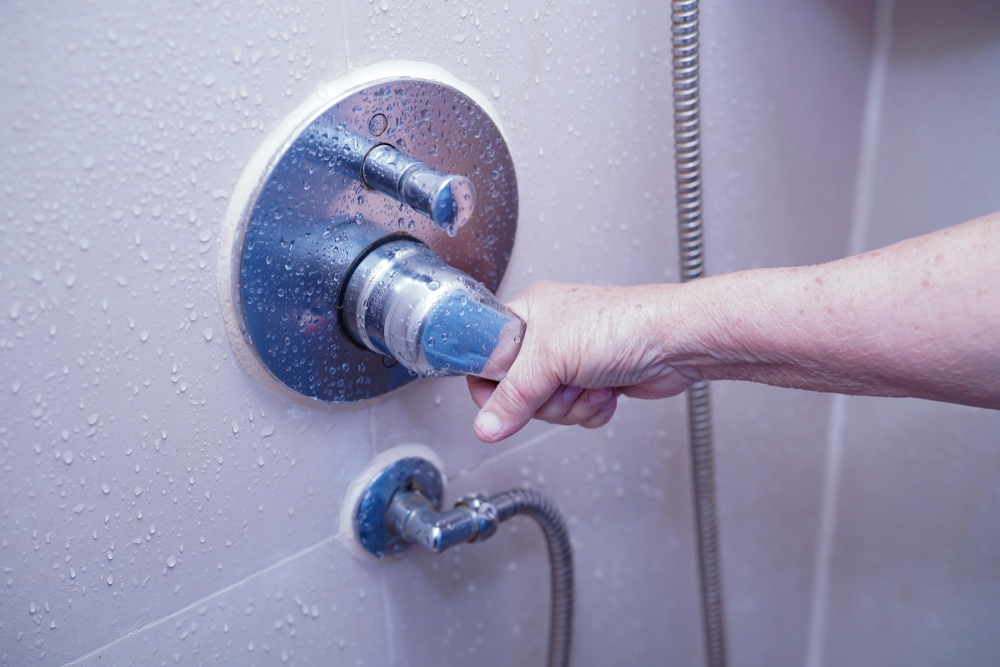
Legionella Still High Risk at Care Home says CQC
A care home in Leicester still remains on ‘special measures’ as Legionella remains a risk following a recent inspection. The

Air Quality Monitoring – A Breath Of Fresh Air For Manufacturing
Did you know that air quality monitoring and COSHH compliance can help food and woodworking manufacturers reduce workplace ill health?
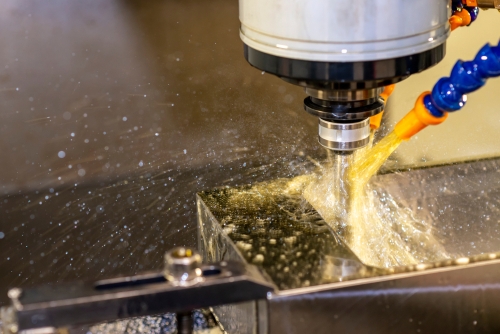
Occupational Lung Disease – A real risk to metalworkers
Occupational lung disease is currently a hot topic in the manufacturing industry. Importantly, the increased risks have been highlighted in
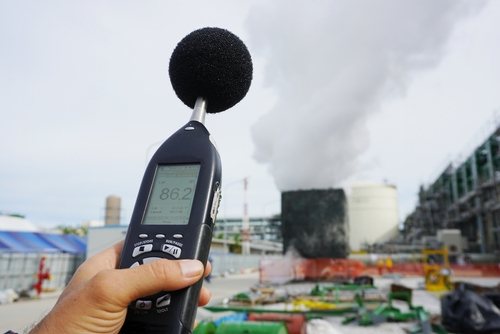
Environmental Noise – London Council pays compensation
The HS2 railway project and Camden Borough Council agreed to pay residents compensation of almost £10,000 due to environmental noise
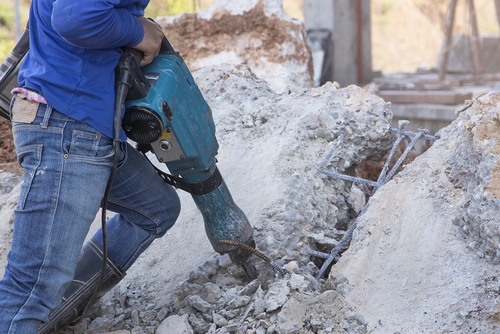
Vibration Monitoring and the Construction Industry
A construction firm has recently been fined by the HSE for poor vibration monitoring. The company’s two partners, Andrew Hatto
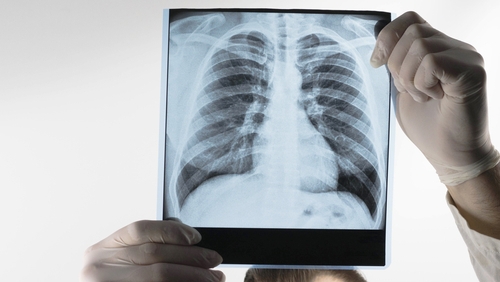
Occupational lung disease is top priority for BOHS
The BOHS has recently launched their 2022 breathe freely campaign. This campaign aims to raise awareness of occupational lung disease,
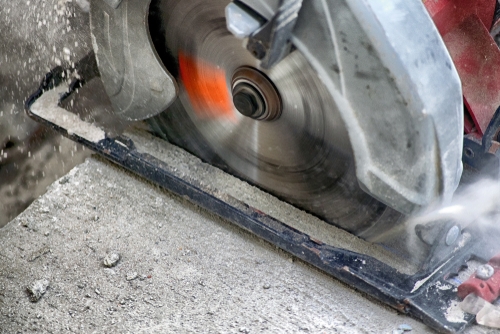
Workplace silica guidance updated
The HSE has recently re-visited their guidance on workplace exposure limits to help brick, tile, stone and foundry workers decrease
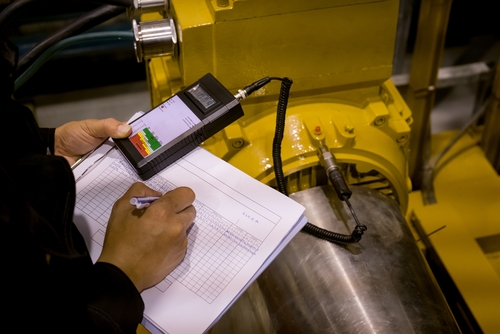
HAVS – Do we need a change to the current regulations?
Hand arm vibration syndrome (HAVS) has long been a well known issue for those who work with vibrating tools and
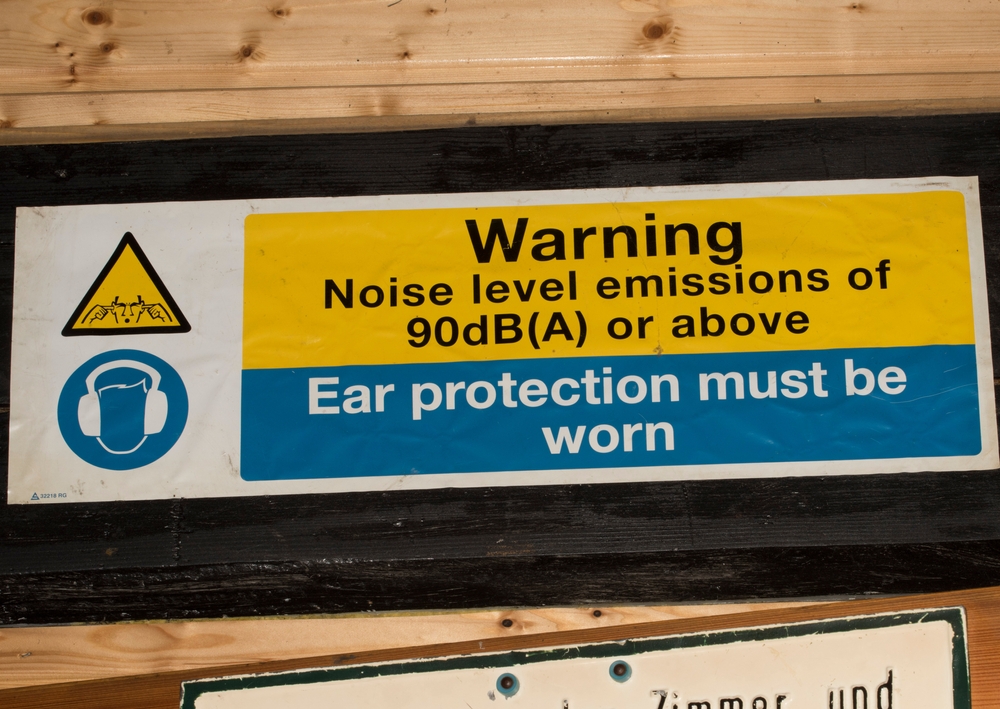
Is workplace noise contributing to employee burn out?
The HSE have recently highlighted how workplace noise could be contributing to stress levels in employees working in the hospitality industry.
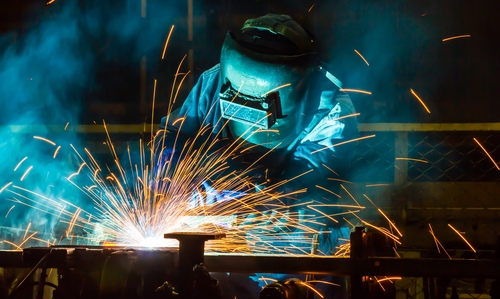
Welder’s anthrax – What you need to know
A new case of welders anthrax has been highlighted by the CDC in a recent report jointly issued with the National Institute for Occupational Safety and Health (NIOSH).
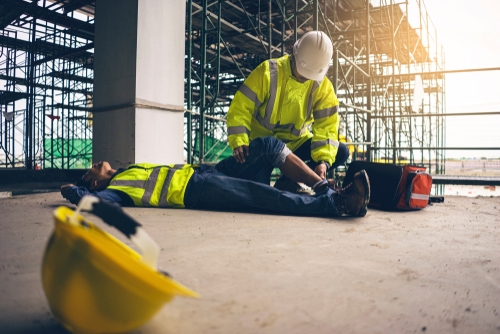
Manufacturer fined after worker sustains injuries from working at height
One of the UK’s leading glass manufacturers has been fined £80,000 this week when one of its workforce sustained a
University increases water sampling after legionella found
Following the discovery of legionella bacteria on campus, a top University has increased water monitoring to safeguard students living in halls.

Hospital reopens after Legionella found in water system
A hospital in the West Midlands has reopened after a temporary closure due to legionella bacteria that was found in

Key message on lung disease prevention for World Asthma Day
Today, Tuesday 3rd May is World Asthma Day. Raising the profile of workplace responsibilities around lung disease prevention is important
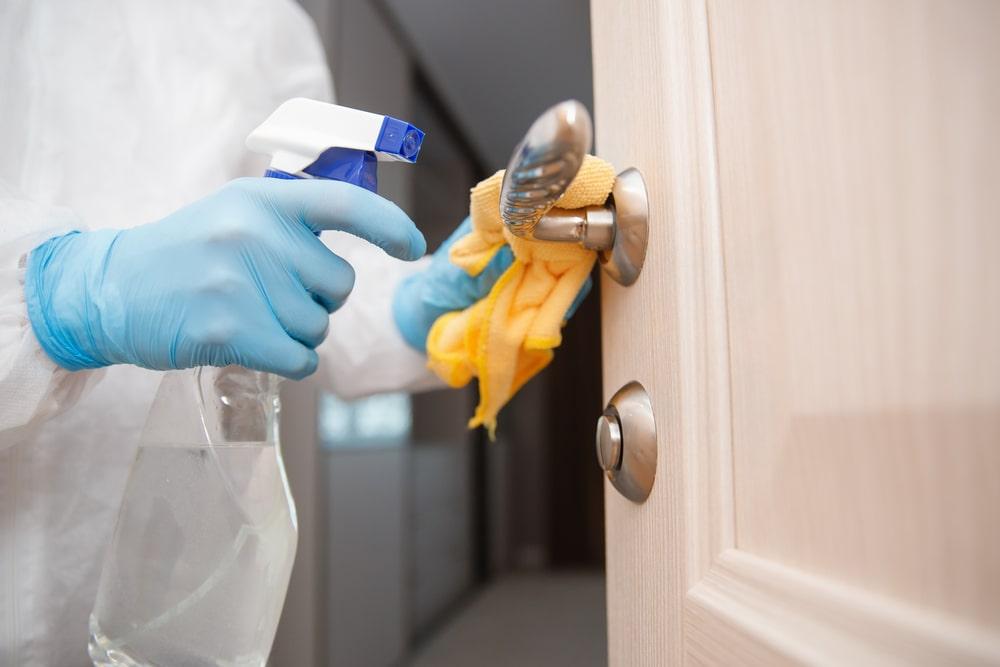
Care home given 6 months to improve health and safety
A care home based in Gloucester has been given just 6 months to improve health and safety or face closure.
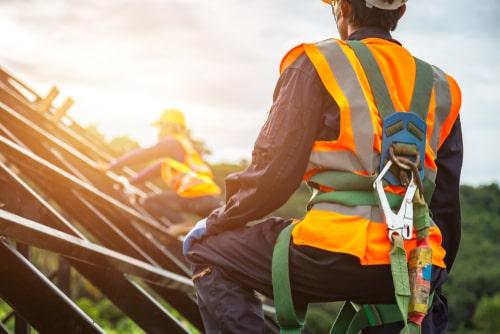
Working at height – construction site controls and measures
The working at height regulations 2005 help to prevent injury and death caused by a fall from height. Construction sites

Construction site safety for wet weather
Construction sites can, at times, be one of the most hazardous places to work. Less than ideal weather conditions can

UK energy firm fined for poor health and safety
A UK energy firm responsible for North sea oil and gas mining has been fined £220,000 when a worker fell
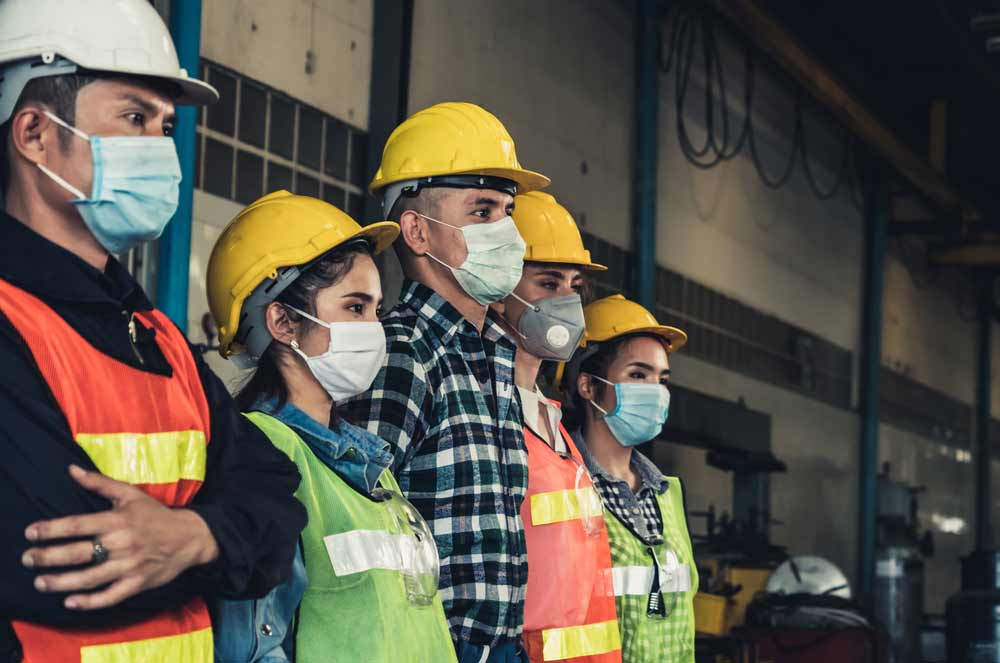
PPE regulations to change from April 2022
PPE has changed a lot since the beginning of the pandemic. Workers are now demanding they are provided with the right equipment, which is now backed up by the new HSE regulations.
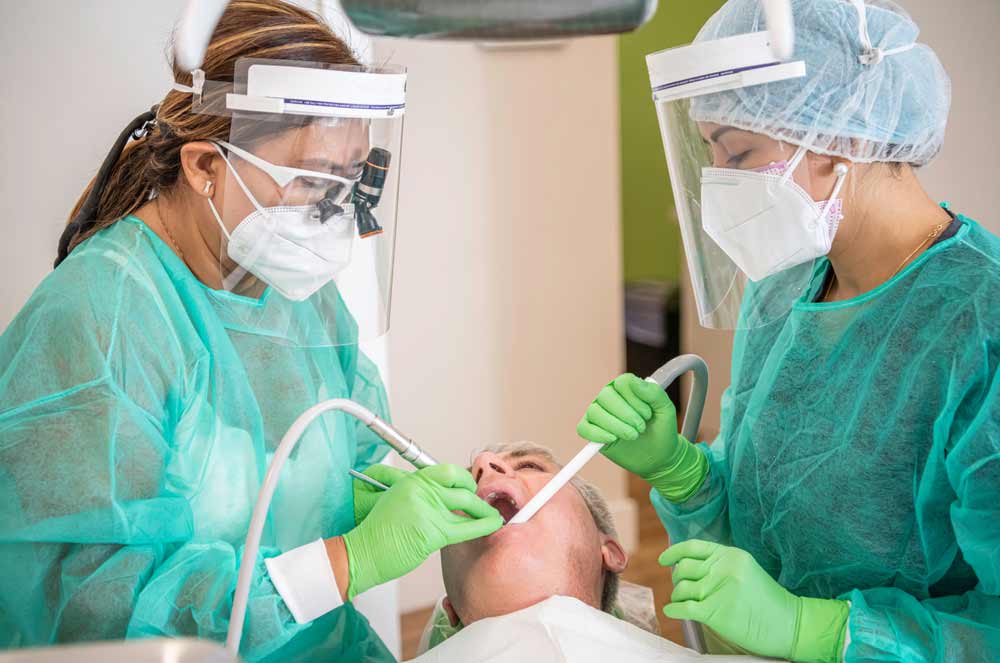
LEV has promising results for dentistry, study shows
A recent study has shown that LEV systems for dentists used alongside suction machines, reduce airborne particles by 95%.

Back to basics with Legionella water sampling
The pandemic has affected the way we work, in some cases irreversibly. And industries with water systems are feeling it
Hospitality sector warned to be extra vigilant for Legionella
The British Occupational Hygiene Society (BOHS) have called for businesses to be ‘extra vigilant’ about legionella. The after effects of
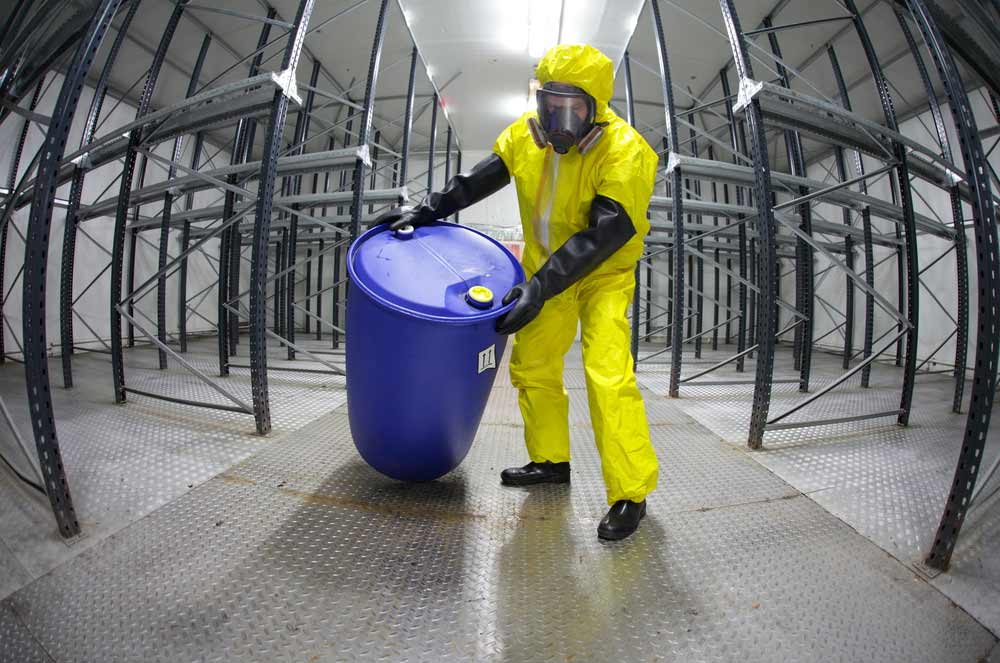
COSHH Risk Assessments and why you need one
No one wants to feel unsafe in their workplace, whether this is through the use of machinery, tools, equipment or
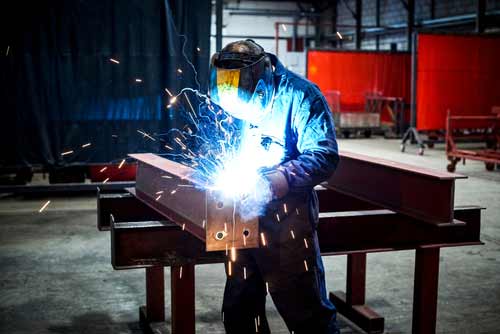
Worker fatalities caused by exposure to welding fumes
In 2019, the Health and Safety Executives (HSE) made changes to the way that mild steel welding fumes are assessed

Safety First ISO compliant for fourth year
This month, Safety First Group received ISO 9001:2015 for the fourth year running. This accreditation is given in respect of

Christmas Opening Hours
It’s that time of year again where we are gearing up towards our Christmas shut down. Our Christmas opening hours
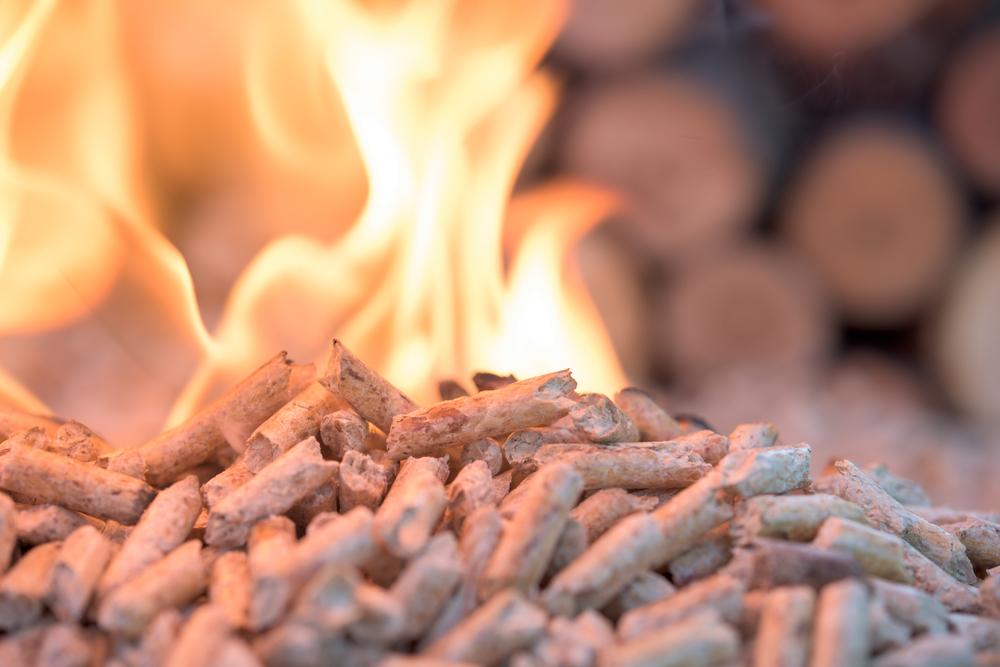
UK power station company denies health and safety breaches
The UK’s biggest power station company has denied risking their employees’ health by exposing them to wood dust. A trial
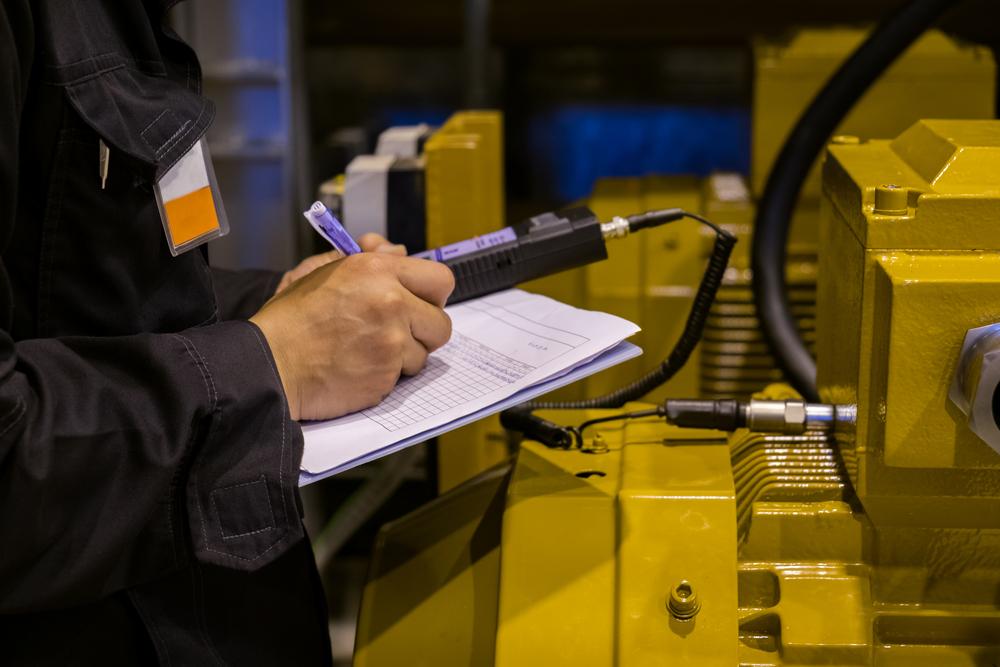
HSE issues fine for poor vibration monitoring
A manufacturer of medical devices for the Healthcare industry has been fined for poor hand-arm vibration monitoring. The report found
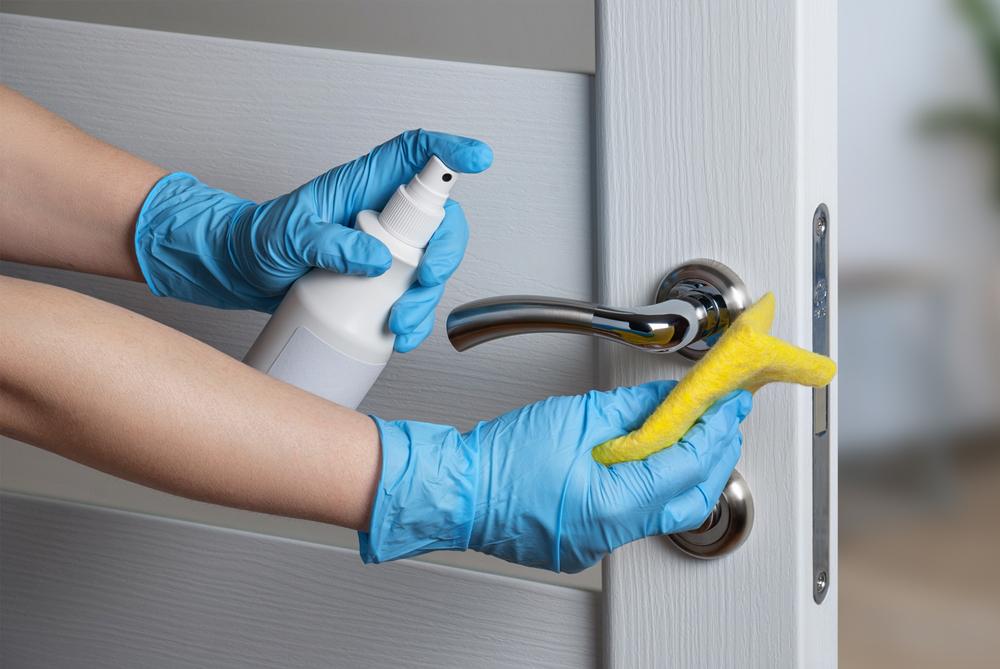
10 tips for good workplace hygiene
I think we can all agree that the Covid-19 pandemic has taught us the importance of good hygiene. Good hygiene

Legionella for landlords
What you need to know The HSE has recently shared that some letting agents and consultants are misinterpreting landlords responsibilities

Support employee mental health or risk losing them
The message comes as more research into workplace well being is commissioned across the UK. Helping employees with workplace mental

PHE recommend mental health training for managers
Public Health England and NICE have released guidance on mental health training for managers to help them initiate conversations with workers about their mental health.

Leading charity calls for improved workplace well being
In the wake of the Coronavirus Furlough scheme being drawn to an end, a leading charity asks the UK and
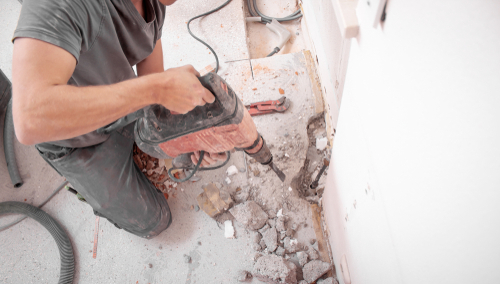
Hand-Arm vibration – Shropshire company fined £500,000
A Shropshire based company was recently fined £500,000 as a number of its workers were found to have hand-arm vibration
How to identify when vibration is an issue
When Covid crashed into our lives in 2020, we quickly saw a decrease in the number of Hand arm &
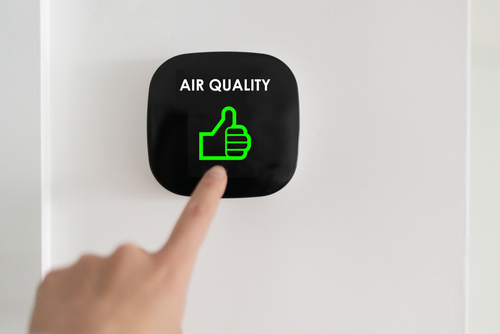
Air Quality Monitoring determined essential
In a recent survey conducted by the Safety and Health Engineering Partnership (SHEP), 84% of respondents stated that the Coronavirus

Entry Level Occupational Hygiene Consultant
Ideal start date – As Soon As Possible, busy work load Salary – Starting salary £20,000 – £25,000 depending on

Cost of health and safety breaches outweigh the cost of compliance
With the average fine for SMEs being over £60,000, they are facing rising costs associated with non-compliance. Yet despite the potential

Psychological safety as important as physical safety
A top university professor has warned that only planning for a ‘physical’ return to the office could have a detrimental

We are hiring
Business Development Executive Full-time, Permanent Monday to Friday, 08:30 – 17:00 Basic Salary with OTE £32K+ (uncapped commission) Safety First
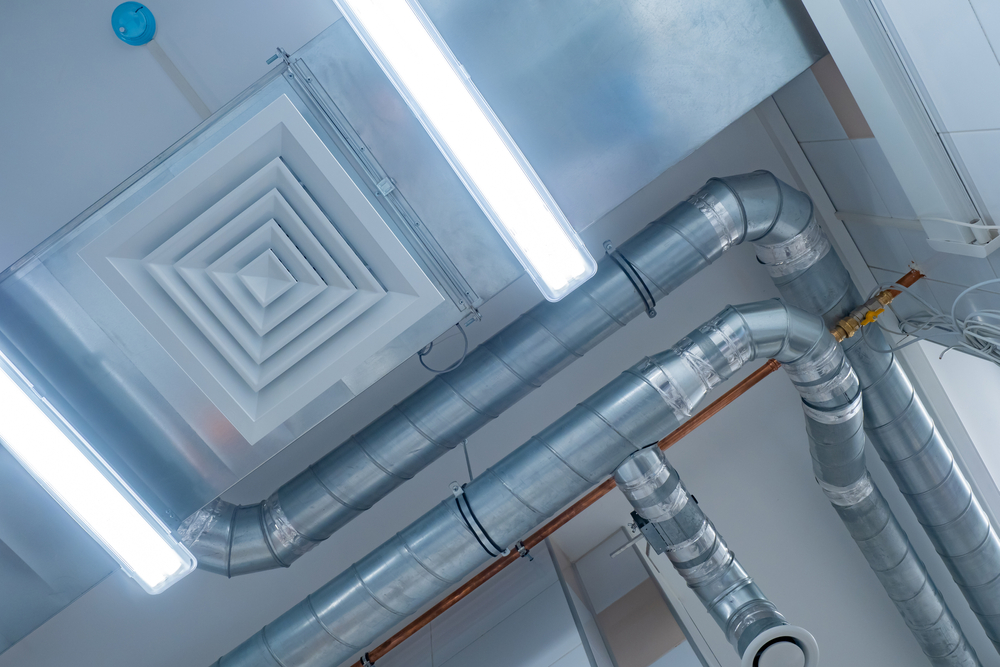
Lockdown phase 3: Offices, restaurants and bars to be well ventilated
As we move into the next phase of easing lockdown restrictions, government ministers and Doctors warn that indoor public spaces
Safety First Group achieves SafeContractor status
This week, and for the 3rd year running we have achieved SafeContractor certification, an industry recognised accreditation which is decades

Occupational Health and Safety now considered a top priority
In a post-pandemic workplace, Occupational health and safety is now considered a top priority due to employees being stretched to

‘Can you hear me now?!’ – Workplace noise assessments can prevent permanent hearing loss
If you work in an environment where workplace noise and vibration is all around you and you’re not properly protected,
Occupational exposure monitoring helps protect your workforce.
As pioneering treatment begins in Australia, artificial stone silicosis has been labelled as the worst lung disease seen since the

What is a Legionella Risk Assessment?
Lets talk: Legionella risk assessment In the first part of our ‘Lets talk Legionella’ series, we discussed how Safety First
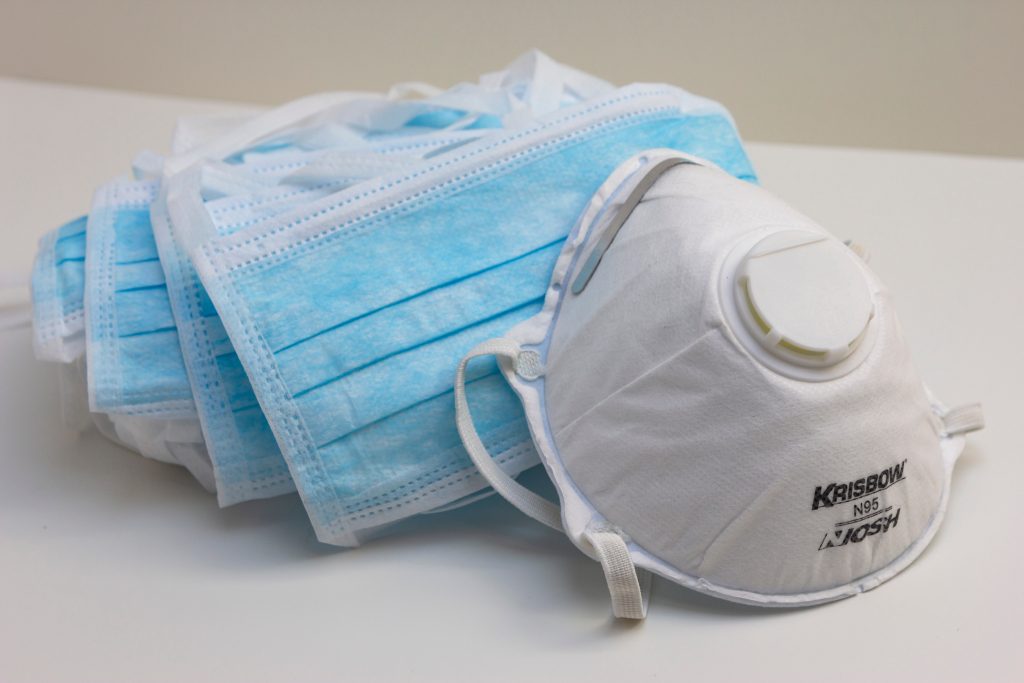
Is it time to upgrade your face mask?
As medical professionals are focusing their attention on how effective commonly used face masks are against the new, more contagious
COVID-19 Safety practices
As our facilities remain open, in order to ensure the ongoing safety of our employees and customers throughout the COVID-19

4 steps to Legionella control compliance
If your organisation has one or more of the following in your workplace, you may be at risk of exposure
Are your LEV Systems COVID safe?
With the ever increasing infection and death rates of COVID- 19, now, more than ever is the time to ensure

Do you understand the importance of assessing Electromagnetic Fields (EMF) at work?
Many businesses do not understand the importance of assessing Electromagnetic Fields in their workplace. An electromagnetic field is generated whenever
Safety First Group achieves Legionella Control Association (LCA) registration
Following a successful audit, Safety First Group are pleased to announce that we have now achieved Legionella Control Association registration
Do you understand the importance of DSEAR Risk Assessment?
DSEAR, or the Dangerous Substances and Explosive Atmosphere Regulations (2002) require all employers to control the risks of fire, explosions and substances

Is your business doing enough for Mental Health?
Mental Health has often been pushed aside as an issue, with very little talked about it and very little action

Are You In Control of Wood Dust Exposure?
A Health and Safety Executive directive has published new guidance on how to limit the potential damage of exposure to
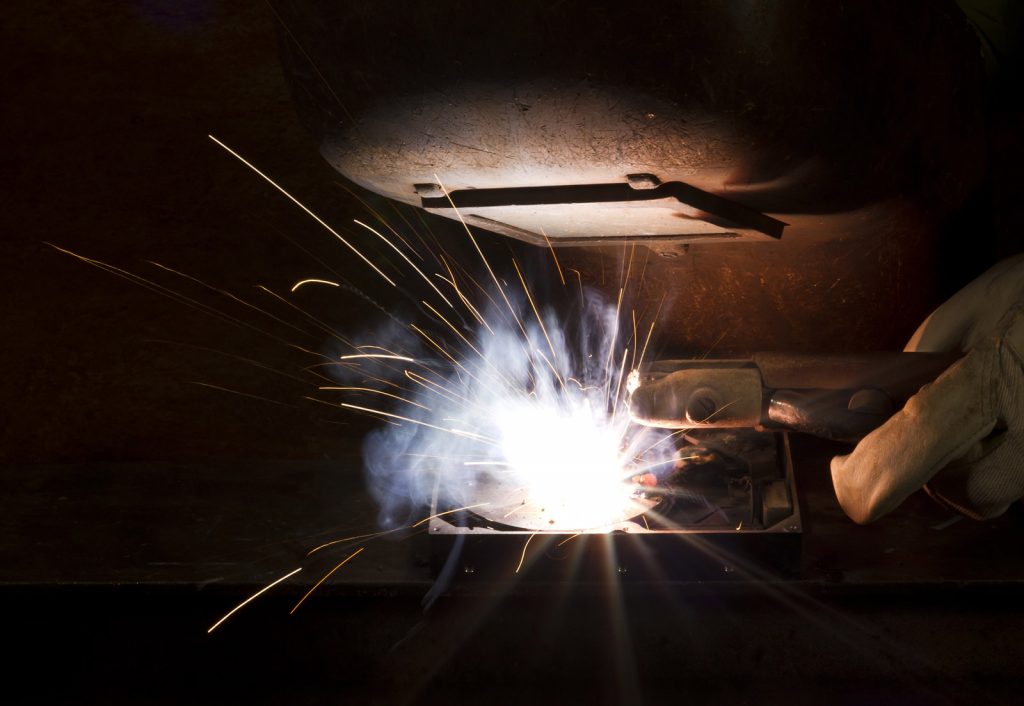
HSE Changes Enforcement Expectations for Mild Steel Welding Fume
A recent enforcement change has been made by the Health & Safety Executive, in regards to mild steel welding fume.
10 ways in which ISO45001:2018 can really benefit your business
ISO 45001:2018 is the world’s first Occupational Health and Safety International standard. It is intended to provide a framework for

Local Authority Fined over Legionella Contamination
At the end of last year, Tendring District Council was fined after a member of public contracted Legionnaires’ Disease following
Do you understand your business responsibilities under DSEAR regulations?
Explosions and fires from combustible materials are a very real hazard, giving rise to serious injury – sometimes even fatality

Is your workplace at risk from Legionella?
Many workplaces are unaware of the potential risks posed by Legionella. It is a bacteria that can grow rapidly given

New EH40 regulations could affect your business.
Is your business compliant with the recent EU directive regarding exposure limits to certain chemicals within the workplace? Over exposure
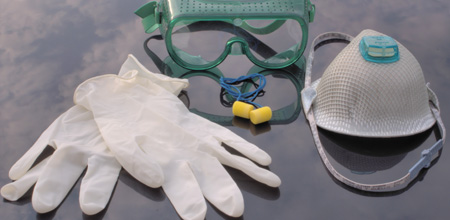
What Are The Business Benefits of Occupational Hygiene?
Protected workforce and increased productivity, the added benefits of Occupational Hygiene.
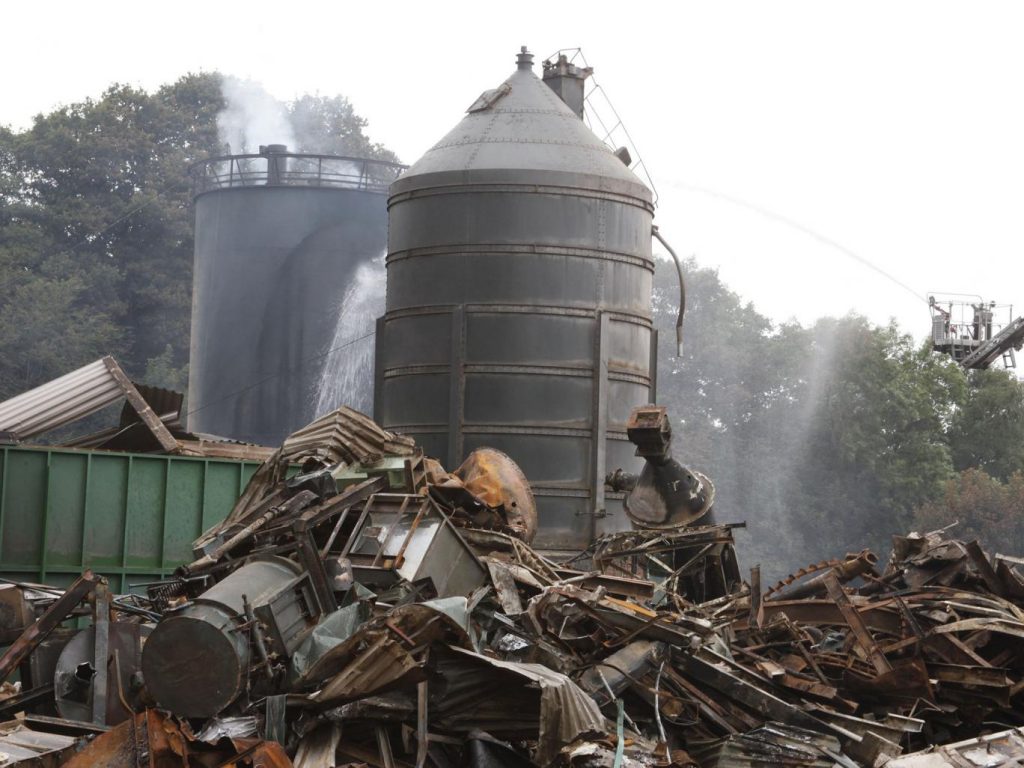
Cheshire flour mill explosion
Victims’ relatives search for owner of company that operated blast-stricken building. The bodies of three mill workers have been recovered from

Rules on displaying hot tubs in shops and public places under review
Rules on displaying hot tubs in shops and public places should be reviewed, according to a report into a fatal